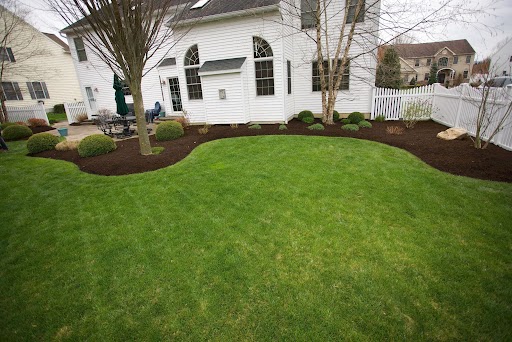
Preparing your garden for fall helps your landscape move through cooler weather with less stress. As temperatures drop and daylight gets shorter, plants begin shifting energy toward roots and storage. The work you do during this season can affect how beds, shrubs, trees, and turf respond when spring growth returns.
Fall preparation for garden health is not about rushing through cleanup. It is about making smart choices that protect plants, reduce disease pressure, improve soil, and keep outdoor spaces organized before winter arrives. With a practical plan, your garden can enter the colder months in better condition and come back stronger next season.
Table of Contents
ToggleWhy Does Fall Garden Preparation Matter?
Fall is one of the best times to reset your garden after the heat and growth of summer. Plants may be tired from drought, humidity, pests, or heavy flowering. Beds may also have weeds, spent blooms, fallen leaves, and compacted soil that need attention before cold weather settles in.
Cleaning and caring for the garden in fall helps reduce problems that can carry into the next growing season. Removing diseased plant material, cutting back certain perennials, and refreshing mulch can all help create a healthier environment around roots and crowns.
For homeowners who want support with seasonal bed care, professional plant maintenance services can help keep the landscape organized through changing weather.
What Should You Clean Up in the Garden First?
Start with debris that could trap moisture or spread problems. Dead annuals, diseased leaves, broken stems, and rotting plant material should be removed from beds. This helps reduce places where pests and disease can settle during winter.
Not every plant needs to be cut back right away. Some perennials provide winter interest or shelter for beneficial insects. Plants with seed heads can also support birds through colder months. The best approach depends on the type of plant and the condition it is in.
If a plant showed signs of disease during the growing season, remove the affected material instead of leaving it in the bed. Healthy plant material can often be handled differently, but diseased debris should not be allowed to sit near the crown or soil surface.
How Should You Handle Fall Pruning?
Pruning in fall should be done with care. Some plants benefit from light cleanup, but heavy pruning at the wrong time can create stress or remove growth that protects the plant through winter.
Dead, damaged, or rubbing branches can be removed when needed. This helps improve structure and reduces weak growth that may break during storms. Shrubs that bloom on old wood may need a more careful approach, since cutting too much in fall can remove next season’s flower buds.
Trees and larger shrubs often benefit from professional evaluation before major pruning. A trained crew can identify what should be removed and what should stay, helping protect plant health and shape.
What Should You Plant in the Fall?
Fall can be a strong planting season because cooler air and warm soil support root development. Many trees, shrubs, perennials, and bulbs can settle in well before winter when planted at the right time.
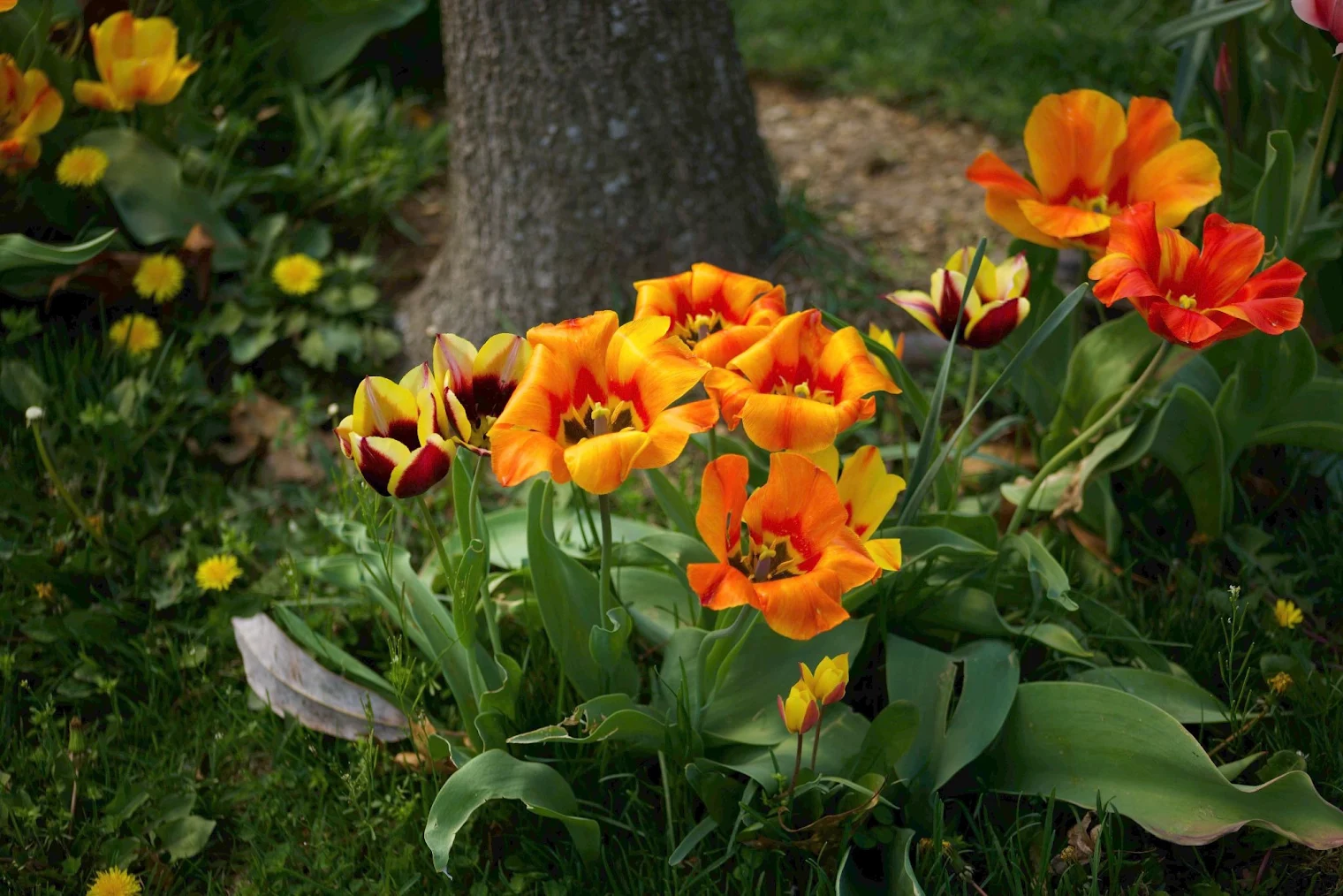
Spring blooming bulbs are often planted in fall. Tulips, daffodils, hyacinths, and similar bulbs need a cold period before they bloom. Planting them before the ground freezes gives them time to establish.
Fall is also a good time to divide certain perennials if they have become crowded. Dividing plants can improve airflow, refresh growth, and create a cleaner bed layout. Newly divided plants should be watered properly so roots can settle before cold weather.
How Can You Improve Soil Before Winter?
Soil health is central to fall preparation for garden success. After a full growing season, soil may be depleted, compacted, or covered with debris. Improving it in fall gives beds a better foundation for spring.
Adding compost can improve soil texture and support healthy root growth. Compost helps sandy soils hold moisture better and helps heavier soils drain more effectively. It also adds organic matter that supports plant health over time.
Avoid working soil when it is overly wet. Digging or turning saturated soil can damage its structure and create compaction. Wait until soil is workable before adding amendments or reshaping beds.
Why Is Mulch Useful in Fall?
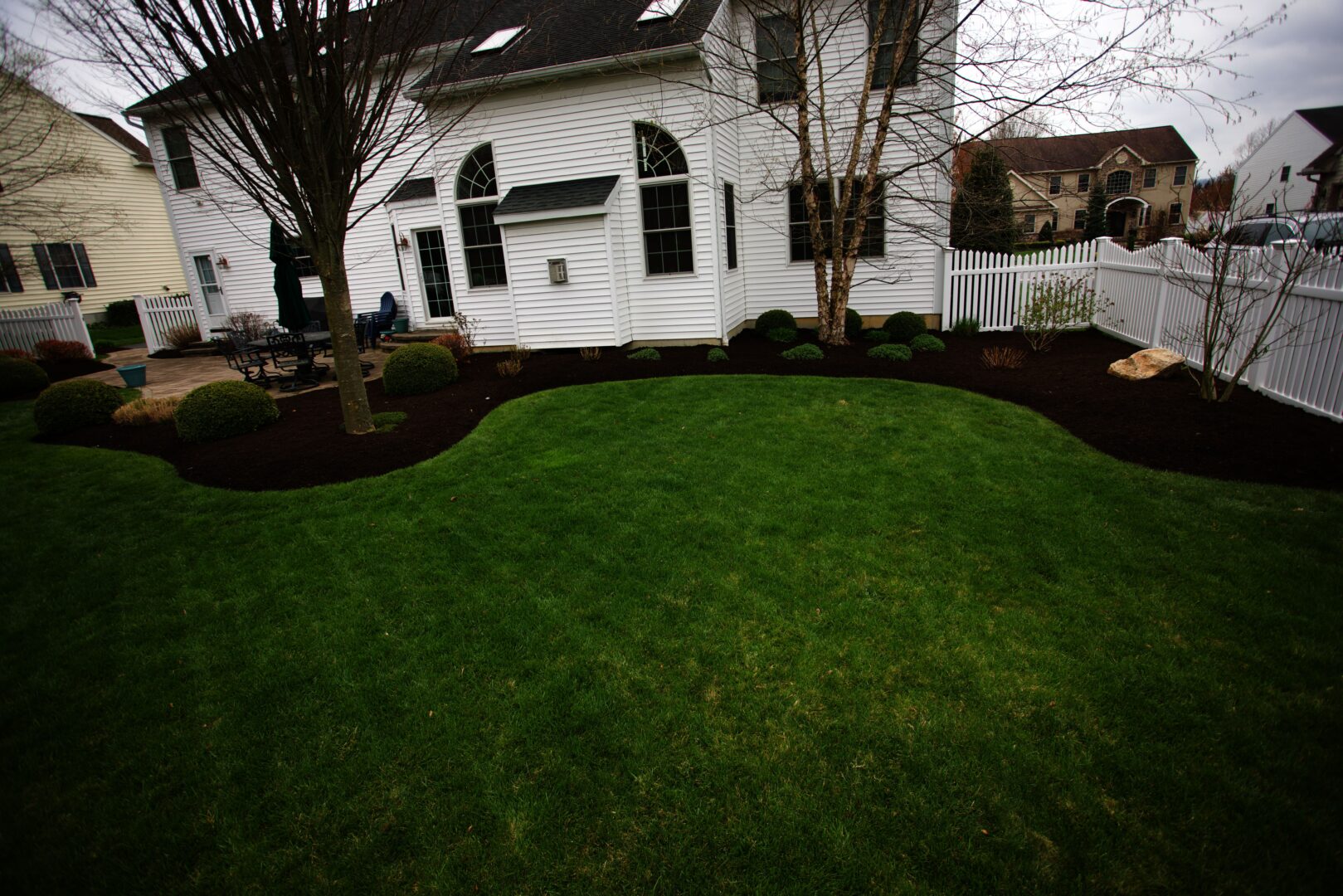
Mulch helps protect garden beds from temperature swings. A fresh, even layer can insulate roots, reduce moisture loss, and limit weed growth before winter. It also gives beds a clean, finished look after seasonal cleanup.
The key is proper placement. Mulch should cover exposed soil, but it should not be piled against trunks, stems, or plant crowns. Too much mulch around the base of a plant can trap moisture and create problems.
Fall mulch is especially helpful for new plantings. Young roots are more vulnerable to cold and moisture changes, so insulation can help reduce stress through winter.
How Should You Protect Plants From Cold Weather?
Some plants need extra protection as temperatures drop. Newly planted shrubs, tender perennials, and exposed evergreens may be more sensitive to winter wind and frozen soil.
Watering before the ground freezes can help plants enter winter with better moisture reserves. Evergreens, in particular, can lose moisture during winter, especially in windy or sunny areas. Deep watering in fall supports root health before the soil becomes too cold.
Plant covers, burlap screens, or temporary wind protection may help in exposed locations. Covers should be breathable and should not trap heat or moisture against the plant for long periods.
How Does Garden Preparation Connect to Lawn Care?
A garden does not exist separately from the rest of the yard. Lawn health, drainage, leaf cleanup, and bed maintenance all affect how the property performs through fall and winter.
Leaves left on turf can block light and trap moisture. Debris that washes from beds into the lawn can also create uneven areas or drainage trouble. Coordinating garden cleanup with lawn care creates a cleaner transition into colder months.
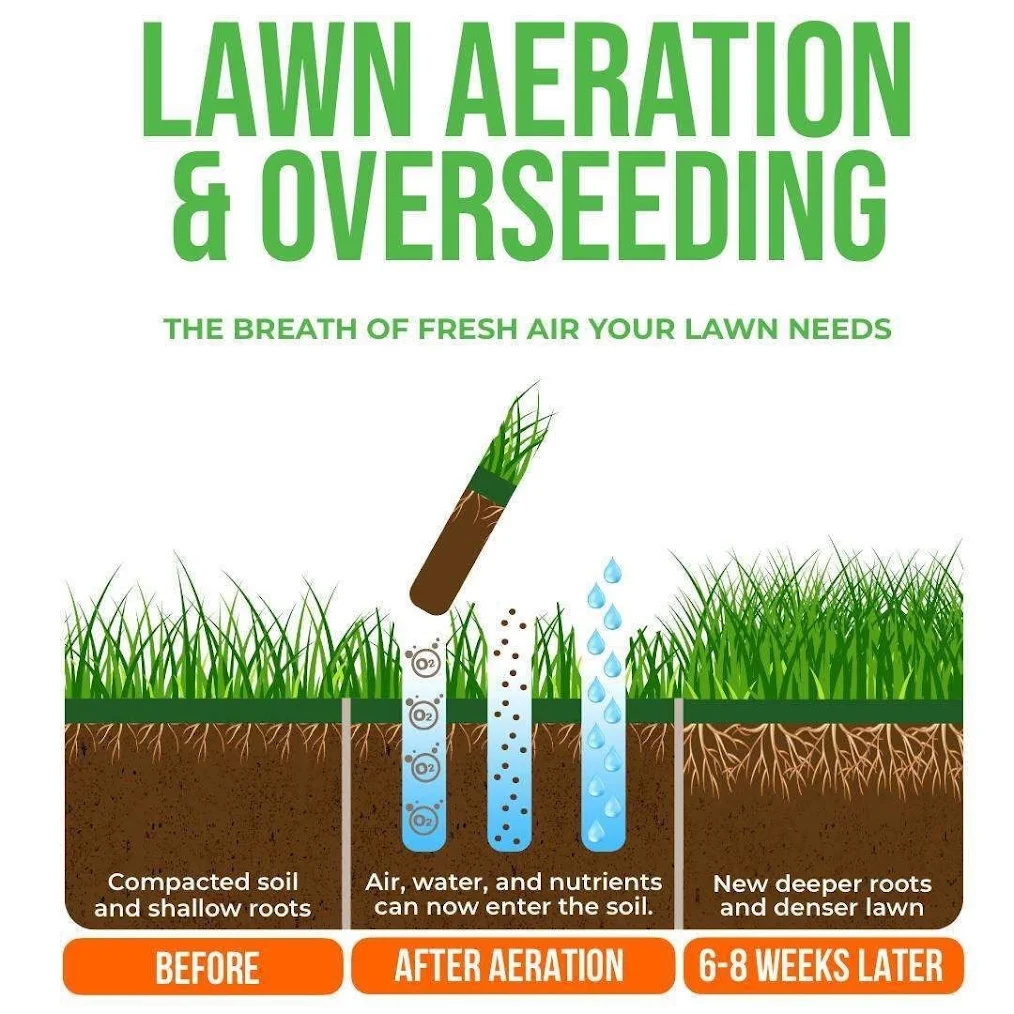
Fall garden tasks often overlap with mowing, leaf removal, aeration, and final seasonal lawn treatments. Following a month-by-month lawn care calendar for Pennsylvania can help you time these steps so your garden beds and turf are prepared together.
What Should You Watch for Before Winter Arrives?
Before winter sets in, walk through the garden and look for signs of stress. Check for plants that are leaning, beds that hold water, mulch that has shifted, or areas where weeds are still active.
Pay attention to drainage near beds and walkways. Water that collects around roots can lead to problems during freeze and thaw cycles. Small adjustments in fall can reduce stress during winter weather.
This is also a good time to note changes you want to make next spring. If a bed feels overcrowded, a plant struggles in too much sun, or a walkway edge becomes overgrown, fall observations can guide future improvements.
Bring Your Garden Into Fall With Confidence
Preparing your garden for fall helps protect plant health, clean up seasonal growth, and set the stage for better spring performance. With proper cleanup, pruning, planting, mulching, and cold weather protection, your landscape can handle the seasonal shift with less stress.
New Castle Lawn & Landscape can help with fall preparation for garden beds, plant care, and seasonal maintenance tailored to your property. Contact New Castle Lawn & Landscape now to schedule a consultation and get your landscape ready for the months ahead.