Keeping a lawn healthy in Pennsylvania requires attention throughout the year. Weather patterns shift from cold winters to humid summers, and each season affects how grass grows and responds to care. A structured lawn care calendar helps homeowners stay on track and avoid guesswork.
This month-by-month lawn care calendar is designed for Pennsylvania conditions. By following a consistent schedule, you can support strong root growth, maintain even color, and reduce common lawn issues before they spread.
Table of Contents
ToggleWhy a Lawn Care Calendar Matters in Pennsylvania
Pennsylvania lawns face a wide range of conditions across the year. Cool season grasses dominate the region, which means growth patterns peak in spring and fall. Summer heat can slow growth, and winter brings dormancy.
A lawn care calendar keeps maintenance aligned with these natural cycles. Instead of reacting to problems, you are following a plan that supports the lawn at the right time. This approach leads to more consistent results and fewer setbacks.
January: Monitor and Protect
January is a quiet month for lawn care. Grass is dormant, and growth is minimal. The focus should be on protecting the lawn rather than active maintenance.
Avoid heavy foot traffic on frozen turf, as it can damage grass blades and compact the soil. Keep an eye on snow buildup in certain areas, especially where it may linger longer than expected.
This is also a good time to plan for the upcoming season. Reviewing your lawn’s condition from the previous year can help guide adjustments for the months ahead.
February: Prepare for Early Spring
February continues the dormant period, but preparation becomes more important. Equipment should be inspected and serviced so it is ready for the first active growth period.
Check for any drainage concerns or areas that may need attention once the ground thaws. Planning ahead allows for a smoother transition into spring lawn care.
March: Begin Early Lawn Care
March marks the beginning of active lawn care in Pennsylvania. As temperatures rise, grass starts to come out of dormancy.
Light cleanup helps remove debris that built up over winter. Clearing leaves and branches improves airflow and allows sunlight to reach the turf.
Early fertilization may be appropriate depending on conditions. Timing should reflect soil temperature rather than the calendar alone.
April: Encourage Strong Growth
April is a key month for building momentum. Grass begins to grow more actively, and consistent care becomes important.
Regular mowing should begin once growth is steady. Keeping the correct mowing height supports root development and helps the lawn fill in evenly.
Weed control should also be addressed during this period. Early action reduces competition and supports healthier turf.
Homeowners looking for a structured approach can benefit from professional lawn care services that align with seasonal growth patterns.
May: Maintain and Strengthen
May brings steady growth and favorable conditions for lawn development. Maintenance routines should be consistent and well timed.
Mowing should continue on a regular schedule. Fertilization programs can support continued growth, helping the lawn maintain color and density.
Monitoring for early signs of stress or uneven growth allows for adjustments before conditions become more challenging.
June: Transition Into Summer Conditions
June introduces warmer temperatures and increased sunlight. Growth may begin to slow as heat builds.
Mowing height should be adjusted slightly higher to provide additional shade for the soil. This helps retain moisture and reduce stress on the grass.
Watering practices become more important during this period. Deep, consistent watering supports root strength without encouraging shallow growth.
July: Manage Heat and Stress
July is often one of the most challenging months for lawns in Pennsylvania. Heat and humidity can put turf under pressure, especially during stretches of limited rainfall. To help your lawn withstand these conditions, we offer a Summer Stress Preventer treatment designed specifically for periods of drought. This low-nitrogen fertilizer works to improve soil health, strengthen root systems, and support your lawn’s resilience so it can better handle the stress of summer weather.
Mowing should be consistent, but cutting too short should be avoided. Taller grass helps protect the soil and maintain moisture levels.
Traffic should be minimized in stressed areas. Allowing the lawn time to recover supports better performance through the rest of the season.
August: Maintain Stability
August conditions are similar to July, though some lawns may begin to stabilize as temperatures fluctuate.
Continue proper mowing and watering practices. Avoid introducing major changes that could stress the lawn further.
This is also a good time to begin thinking about fall improvements, including aeration and overseeding.
September: Restore and Rebuild
September is one of the most important months in the Pennsylvania lawn care calendar. Cooler temperatures and increased moisture create ideal conditions for recovery and growth.
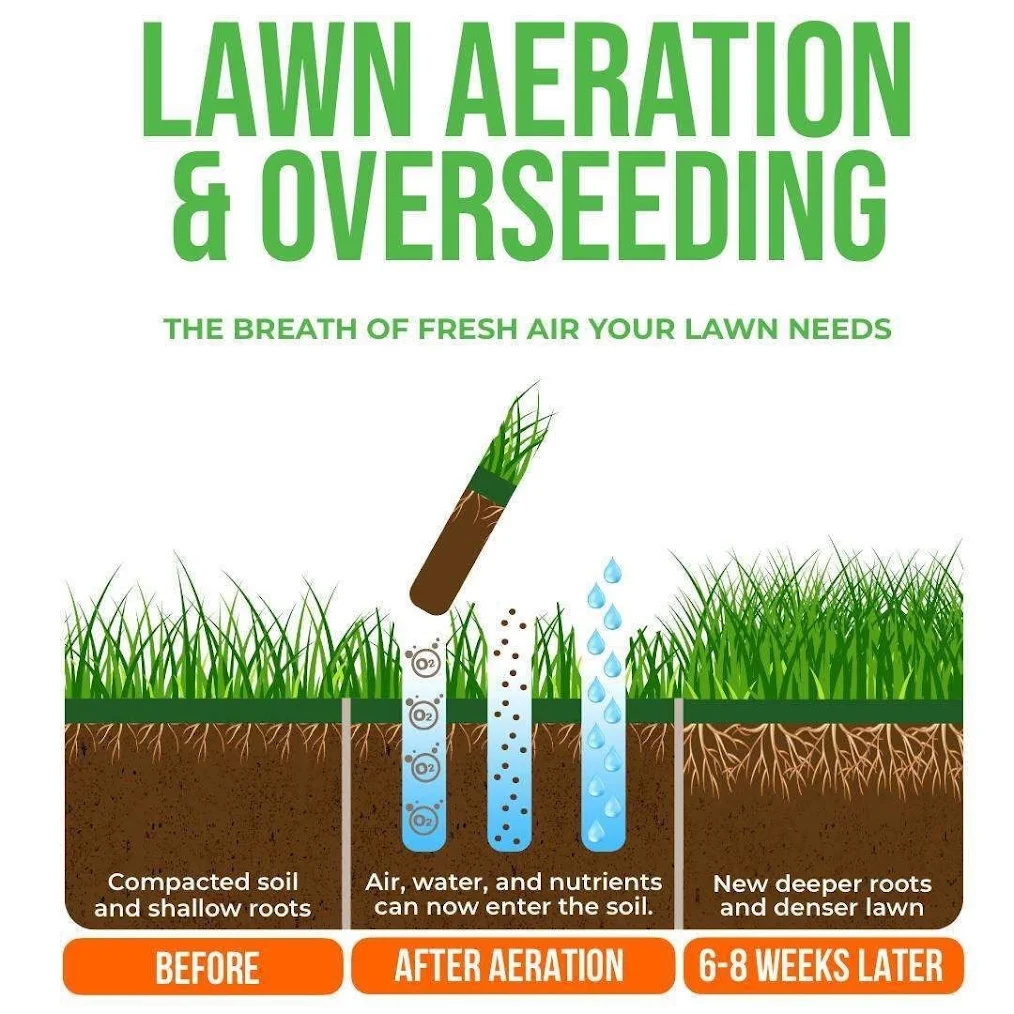
Aeration helps relieve soil compaction and improves nutrient absorption. Overseeding supports thicker turf and helps fill in thin areas.
Fertilization during this period encourages strong root development heading into cooler months.
Homeowners can also coordinate these efforts with broader maintenance and plant care to support overall landscape health.
October: Strengthen for Winter
October continues the fall growth cycle. The lawn is still active, and care during this period influences how well it performs the following year.
Mowing should continue as needed, with attention to maintaining proper height. Leaf removal becomes important to prevent buildup that can block airflow.
Final fertilization may be applied to support root strength before winter dormancy.
November: Prepare for Dormancy
November marks the transition into winter. Growth slows, and the lawn begins to enter dormancy.
Final cleanup is important. Removing leaves and debris helps prevent moisture buildup and reduces the risk of turf issues during winter.
Mowing may continue early in the month, depending on conditions, but will eventually stop as growth slows.
December: Protect and Plan
December is focused on protection and planning. The lawn is dormant, and active maintenance is limited.
Avoid unnecessary traffic on frozen grass. Planning for the next season can bring a smoother start when spring arrives.
Reviewing what worked well and what needs adjustment allows for a more effective approach in the coming year.
Build a Year Round Lawn Care Plan
A well structured lawn care calendar helps maintain consistency and improve long term results. By following a month-by-month lawn care calendar, homeowners can stay ahead of seasonal changes and support healthy turf growth.
New Castle Lawn & Landscape provides expert guidance and professional services designed for Pennsylvania conditions. From routine maintenance to seasonal care, their team helps homeowners maintain strong, balanced lawns throughout the year.
To get started with a customized plan that fits your property, request a free estimate and take the first step toward a healthier lawn.