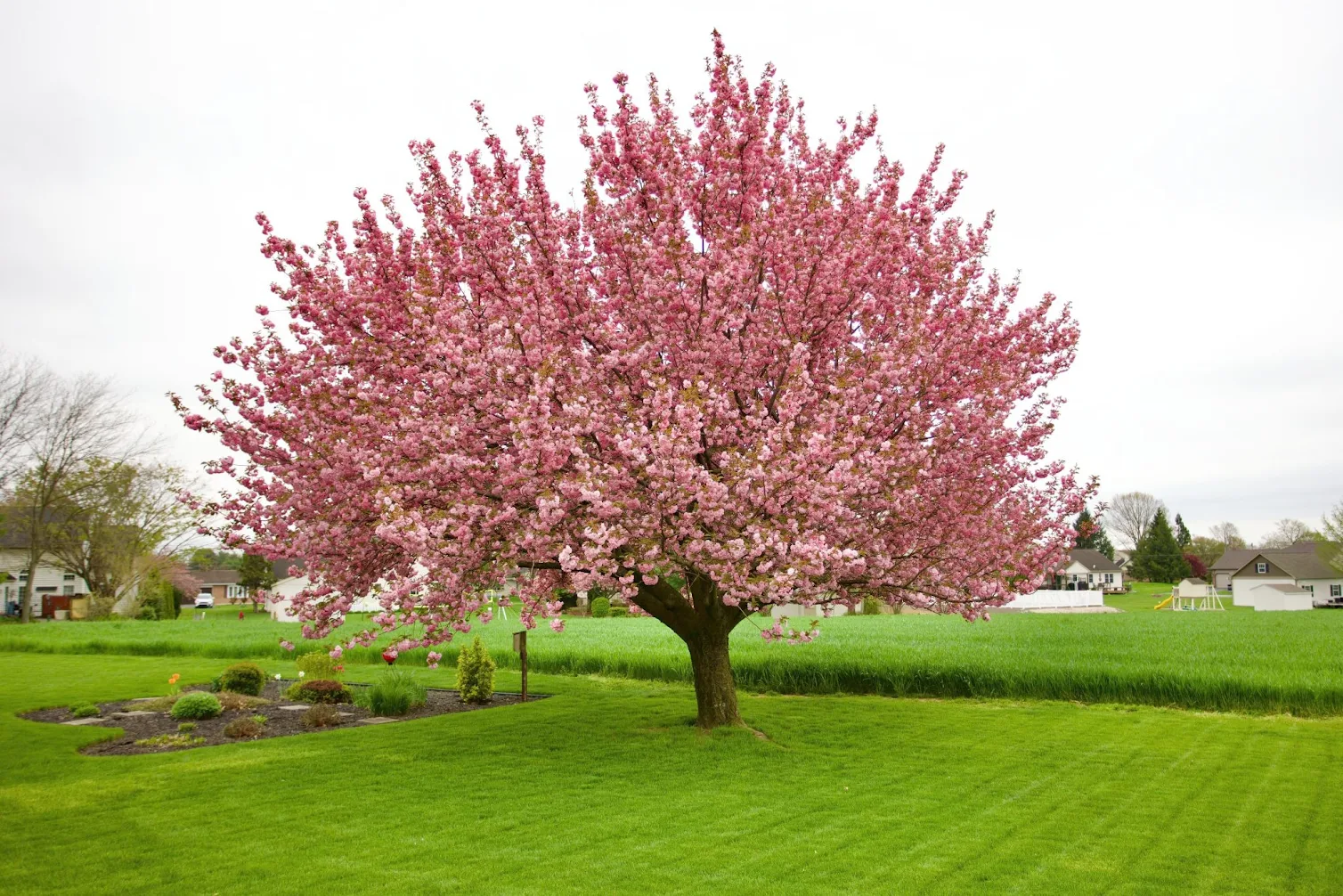
Pennsylvania winters can be challenging for trees. Freezing temperatures, heavy snow, ice, and drying winds can affect tree health, particularly for young or newly planted trees. Without proper preparation, seasonal stress can lead to damaged branches, bark problems, and poor spring growth.
Winter tree care helps protect your landscape through the colder months. Simple steps like watering, mulching, pruning, and inspecting trees can make a difference in how well they handle winter weather.
Table of Contents
ToggleWhy Is Winter Tree Care Important in Pennsylvania?
Pennsylvania’s winter weather brings fluctuating temperatures, frozen soil, and occasional heavy snow or ice. These conditions can affect roots, branches, and bark, particularly when trees are already stressed from summer heat or drought.
Evergreens face added challenges because they continue losing moisture through their foliage during winter. When the ground freezes, their roots cannot easily replace that moisture.
Proper winter tree protection helps reduce seasonal stress and supports healthier growth when spring arrives.
How Should You Prepare Trees Before Winter?
Preparing trees before temperatures drop gives you time to address problems that could worsen during winter. Start by examining the condition of your trees and identifying areas needing attention.
Inspect Trees for Damage
Look for dead branches, cracked bark, fungal growth, or unusual changes in the trunk. Branches that rub together may also need attention because repeated contact can damage bark.
A professional tree assessment can help identify structural weaknesses and determine whether pruning or other maintenance is necessary.
Clean Up Around Trees
Remove excessive fallen leaves, broken branches, and debris from around trunks. Heavy accumulations of wet material can trap moisture and create favorable conditions for pests.
Cleaning around trees is also part of preparing your landscape for winter. Keeping planting beds organized helps protect nearby shrubs, perennials, and other landscape features.
Should You Water Trees Before Winter?
Watering is an important part of winter tree care, particularly after a dry summer or fall. Trees need adequate moisture before the soil freezes to help support their roots through dormancy.
Deep watering allows moisture to reach the root zone. Young trees, newly planted specimens, and evergreens often benefit most because their roots may be less established.
Continue watering during dry fall weather until the ground freezes. Avoid watering saturated soil, since excess moisture can contribute to drainage problems.
How Does Mulching Protect Trees During Winter?
Mulch helps insulate tree roots and moderate soil temperature changes. It also conserves moisture and reduces the effects of repeated freezing and thawing.
For most landscape trees, apply approximately two to three inches of organic mulch, such as shredded bark or wood chips. Spread it across a wide area around the tree rather than concentrating it near the trunk.
Avoid Piling Mulch Against Trunks
Mulch should never be stacked directly against tree bark. Excessive buildup can trap moisture, encourage decay, and create favorable conditions for pests.
Leave several inches of space around the trunk and keep the root flare visible. This protects the root zone without covering sensitive bark.
How Can You Protect Trees From Snow and Ice?
Heavy snow and ice can place additional weight on branches, particularly when trees have weak or damaged limbs.
Pruning dead, broken, or structurally weak branches before winter can improve tree condition. Proper pruning also helps preserve natural growth patterns.
New Castle Lawn & Landscape provides professional tree care and maintenance to address pruning needs, tree health concerns, and seasonal preparation.
Avoid Removing Ice From Branches
If branches become covered in ice, avoid striking or shaking them. Frozen wood can be brittle, and forcing ice off may cause additional damage.
Allow the ice to melt naturally. Light snow can sometimes be removed gently, but branches under heavy loads should be left undisturbed.
What Is Winter Burn on Evergreen Trees?
Winter burn occurs when evergreens lose more moisture through their foliage than their roots can replace. Frozen soil, cold winds, and strong winter sunlight can contribute to this problem.
Affected foliage may turn brown, bronze, or yellow. Arborvitae, boxwoods, and rhododendrons are among the plants that can experience winter burn.
Adequate fall watering and proper mulching help reduce moisture stress. Breathable burlap windscreens may also protect vulnerable evergreens in exposed locations.
How Do You Protect Young Trees in Winter?
Young trees are particularly vulnerable to winter damage because they have thinner bark and less established root systems.
Protect Bark From Wildlife
Deer, rabbits, and rodents may feed on tree bark when food becomes scarce. This can damage the tissue responsible for moving water and nutrients throughout the tree.
Tree guards or wire barriers can help protect trunks. Check protective materials periodically and allow adequate space for continued growth.
Prevent Sunscald
Sunscald can occur when sunlight warms bark during winter days, followed by rapid cooling after sunset. Young trees with thin bark are especially susceptible.
Light-colored tree wraps can provide temporary protection for vulnerable trunks. Remove temporary wraps in spring to prevent moisture buildup.
Can Road Salt Damage Trees?
Deicing salt can affect trees near driveways, sidewalks, and roads. Salt accumulating in the soil may interfere with root moisture absorption and contribute to leaf browning or poor growth.
Avoid piling salt-treated snow around trunks and planting beds. Use deicing products carefully near landscaped areas and consider suitable traction materials where appropriate.
What Should You Check When Spring Arrives?
Once winter ends, inspect trees for broken branches, bark damage, discolored foliage, and signs of wildlife activity.
Watch for new growth as temperatures rise. Some trees recover gradually from winter stress, so damaged-looking foliage does not always indicate that an entire branch has died.
Persistent dieback or structural concerns may require professional attention.
Protect Your Trees With New Castle Lawn & Landscape
Proper winter tree care helps protect Pennsylvania trees from cold-weather stress, moisture loss, and seasonal damage. Watering, mulching, pruning, and regular inspections support healthier trees throughout winter and into spring.
New Castle Lawn & Landscape provides tree care and seasonal maintenance for residential and commercial properties in Birdsboro and surrounding communities. Get in touch today for a free estimate to discuss your trees and prepare your landscape for winter.