Grass turning brown in summer is a common concern for homeowners, especially during long stretches of heat, dry weather, and heavy sun. A lawn that looks green and full in spring can start to fade, thin out, or develop dry patches once temperatures rise. In many cases, brown grass is not dead. It may be stressed, dormant, or reacting to changes in moisture, mowing, or soil conditions.
Understanding why grass turns brown in the summer helps you respond the right way. Some lawns need deeper watering. Others need better mowing habits, soil support, or repair in thin areas. With the right lawn care plan, you can help your yard stay healthier through the hottest part of the season.
Table of Contents
ToggleWhy Does Grass Turn Brown in the Summer?
Summer heat places extra stress on turf. Grass loses moisture faster, soil dries out more quickly, and roots may struggle to keep up. When the lawn cannot get enough water or nutrients, blades may turn brown as a protective response.
Cool season grasses, which are common in Pennsylvania, often slow down during hot weather. This is a natural survival response. The grass may enter dormancy to conserve energy until cooler temperatures return.
Brown grass can also result from mowing too short, compacted soil, pest activity, pet spots, or uneven watering. Identifying the cause is important because each issue requires a different solution.
Is Brown Summer Grass Dead or Dormant?
Brown grass is not always dead. Dormant grass may look dry and dull, but the crown and roots can still be alive. When conditions improve, dormant turf can often green up again with proper care.
Dead grass usually does not recover after watering or cooler weather. It may pull up easily from the soil or leave bare patches behind. If areas stay brown after the rest of the lawn improves, repair may be needed.
A professional lawn evaluation can help determine whether your lawn is dormant, damaged, or in need of targeted restoration. Homeowners who want a more consistent seasonal plan can benefit from professional turf care tailored to local conditions.
How Does Drought Stress Affect Your Lawn?
Drought stress is one of the main reasons for grass turning brown in summer. When rainfall is limited, the lawn depends on stored soil moisture and supplemental watering. If roots cannot access enough water, blades dry out and lose color.
Early signs of drought stress include a bluish-gray tint, footprints that stay visible after walking, and curled grass blades. These signs usually appear before the lawn turns fully brown.
Deep watering supports stronger roots and helps turf handle dry periods better. Light watering only wets the surface and may encourage shallow roots, which makes the lawn more vulnerable during heat.
Can Mowing Habits Cause Brown Grass?
Mowing has a major impact on summer lawn health. Cutting grass too short removes shade from the soil and exposes roots to more heat. This can cause the lawn to dry faster and turn brown sooner.
During summer, grass should usually be kept a little taller. Taller blades shade the soil, hold moisture better, and support deeper root growth. Sharp mower blades are also important because dull blades tear the grass and increase stress.
Mowing during the hottest part of the day can add strain. Cutting in the morning after dew dries or later in the day is usually better for the lawn.
Why Does Soil Health Matter During Hot Weather?
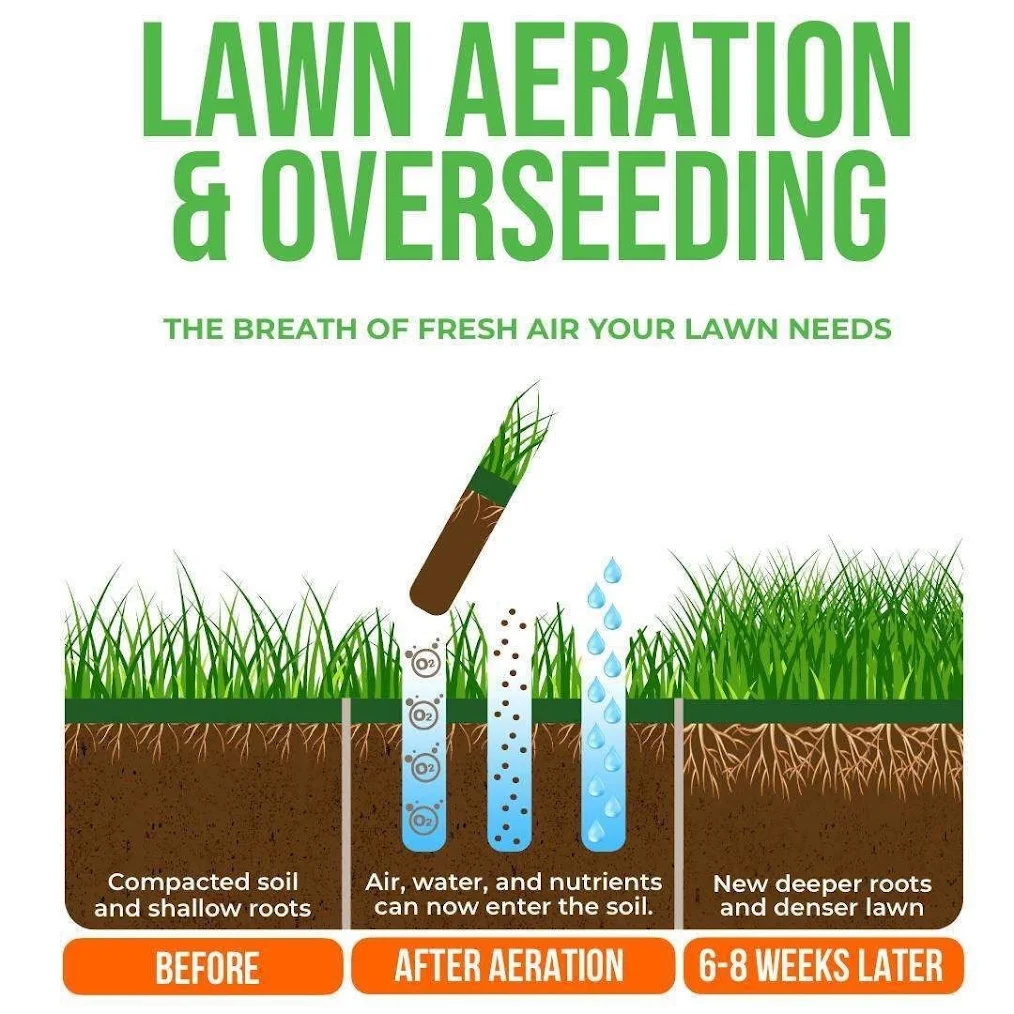
Healthy soil helps grass withstand summer stress. Compacted soil limits airflow, water movement, and root development. When roots cannot grow deeply, grass has a harder time reaching moisture during dry weather.
Soil with poor nutrient balance can also weaken turf. Grass may grow unevenly, thin out, or become more vulnerable to weeds and pests. Aeration, proper fertilization, and soil improvements can all support stronger growth.
If brown areas are linked to thin or damaged turf, repair work may be needed. For lawns with bare patches or uneven growth, guidance on restoring weak areas in your yard can help you understand what steps may be useful.
How Should You Water Grass in the Summer?
Watering should focus on depth and consistency. Grass usually benefits from deeper watering that reaches the root zone. This helps roots grow downward instead of staying near the surface.
Watering early in the morning is often best. Cooler temperatures reduce evaporation and give moisture time to soak into the soil. Watering in short bursts during the afternoon is usually less effective because much of the water may evaporate before it reaches the roots.
The goal is to keep the lawn supported without oversaturating the soil. Too much water can create shallow roots, fungal concerns, and drainage issues.
What Other Problems Can Make Grass Turn Brown?
Brown grass can come from more than heat and drought. Pet urine can create small brown spots, often surrounded by darker green growth. Insects may damage roots or blades, leading to irregular brown patches.
Foot traffic can worsen summer stress. Repeated walking, play, or equipment use on dry grass can crush blades and compact soil, making recovery slower.
Disease can also affect turf during humid summer weather. Circular patches, thinning areas, or unusual discoloration may point to a lawn health issue that needs closer attention.
Lawn Fungus Can Also Cause Brown Summer Grass
Lawn fungus can cause brown, tan, or discolored patches during the growing season. Heat, humidity, overwatering, poor drainage, compacted soil, dull mower blades, and low nutrient levels can all make turf more vulnerable. If the lawn is already stressed, fungal problems can spread faster and may require targeted fungicide treatment.
Red Thread
Red thread often appears as tan or bleached patches with pinkish-red threads near the tips of grass blades. It is more common during cool, damp weather and is often connected to low nitrogen levels. It usually does not kill the lawn, but it can make turf look thin or unhealthy until the underlying conditions are corrected.
Dollar Spot
Dollar spot creates small, straw-colored circles that may look like coin-sized spots across the lawn. In the morning, you may also notice light, web-like growth across the grass. If it is not treated, these spots can merge into larger patchy areas.
Brown Patch
Brown patch can create larger brown or tan circles that spread during hot, humid weather. It is often more active when nights stay warm and the lawn stays wet for too long. Evening watering, poor airflow, and overwatering can make this issue worse.
Pythium Blight
Pythium blight is one of the more aggressive turf diseases. It can create greasy-looking, water-soaked patches that turn tan or brown very quickly, sometimes overnight. This issue needs prompt attention because it can move fast during hot, humid weather with poor drainage.
If fungal disease is active, fungicide treatment is often the best option, especially when patches are spreading or visible turf damage is present. A professional lawn care team can identify the disease, apply the right treatment, and adjust watering, mowing, fertilization, and aeration practices to reduce future outbreaks.
How Can You Keep Grass Healthy Through Summer?
Summer lawn care should focus on reducing stress. Proper mowing height, deep watering, soil support, and regular monitoring all help the lawn handle heat more effectively.
Avoid aggressive treatments during extreme heat. Heavy fertilization or major repair work can push grass when it is already stressed. Some improvements are better timed for late summer or early fall, when temperatures are cooler and grass can recover more easily.
Consistent care matters most. A lawn that receives steady maintenance before summer is better prepared to handle heat, drought, and seasonal pressure.
When Should You Call a Lawn Care Professional?
If brown grass keeps spreading, does not recover after watering, or appears in unusual patterns, professional help may be the best next step. A trained team can evaluate soil, watering patterns, turf condition, and other factors affecting lawn health.
Professional care can help identify whether the issue is dormancy, drought stress, disease, pests, or soil compaction. Once the cause is clear, the right plan can be put in place.
Keep Your Lawn Strong During Summer
Grass turning brown in summer can be frustrating, but it is often a sign that the lawn needs better support rather than a total replacement. With smart watering, proper mowing, healthy soil, and timely care, your yard can stay stronger through the hottest months.
New Castle Lawn & Landscape helps homeowners protect and restore lawns through seasonal stress. Get in touch today to schedule a consultation and get help keeping your lawn healthy through summer and beyond.