Patchy grass can make even a well-maintained yard look uneven. Thin spots, bare areas, and inconsistent color often point to underlying issues that need attention. Learning how to fix patchy grass starts with understanding what caused the problem and applying the right solution at the right time.
With a consistent plan, most lawns can recover and return to a fuller, more balanced appearance. The goal is not just short-term improvement, but long-term health that supports steady growth across the entire yard.
Table of Contents
ToggleWhy Do Lawns Become Patchy?
Grass does not thin out without a reason. Patchy areas usually develop when the lawn is under stress or when conditions prevent even growth.
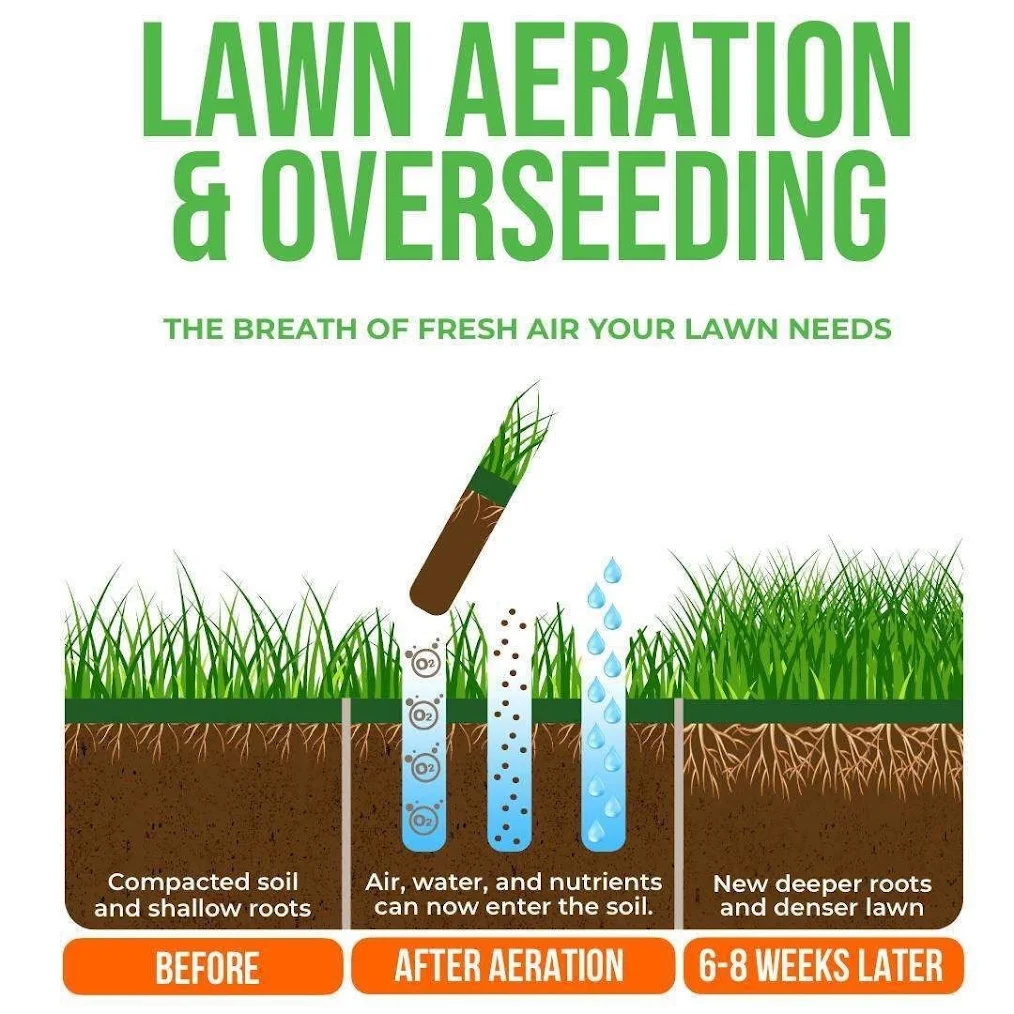
Soil compaction is a common cause. When the ground becomes dense, air and water have difficulty reaching the roots. This can weaken turf and lead to bare spots over time.
Inconsistent watering can also create uneven growth. Some areas may receive too much moisture. Others dry out. Both situations can affect how grass develops.
Heavy foot traffic, pet activity, and seasonal weather changes all contribute to patchy conditions. Identifying the main cause is the first step toward effective patchy grass repair.
Preparing the Lawn for Repair
Before adding new seed or making adjustments, it is important to prepare the affected areas. Proper preparation improves results and supports more even growth.
Start by removing dead grass and debris from patchy spots. Clearing the surface allows new seed to make direct contact with the soil. Loosening the top layer of soil helps improve airflow and supports root development.
If the soil feels hard or compacted, aeration may be needed. This step opens up the ground and allows water and nutrients to move more freely.
A clean, prepared surface gives new grass the best chance to establish itself.
Choosing the Best Way to Fix Patchy Grass
The best way to fix patchy grass depends on the size and severity of the problem.
Small areas can often be repaired with targeted seeding. Applying grass seed directly to prepared soil allows new growth to blend with the surrounding turf. Light watering and consistent care support establishment.
Larger sections may require overseeding. This process introduces new seed across a broader area, helping improve density and fill in thin spots more evenly.
In some cases, soil amendments may be needed. Adding nutrients or adjusting soil composition helps create better conditions for growth.
Homeowners working through these steps can also benefit from lawn care programs that reflect local growing conditions.
What Role Does Watering Play?
Watering plays a major role in successful repair. Newly seeded areas require consistent moisture to support germination and early development.
Light, frequent watering helps keep the soil surface moist without oversaturating it. As grass begins to establish, watering can gradually shift to deeper, less frequent cycles.
Consistency during this stage helps prevent new patches from forming and supports stronger root systems.
How Can Mowing and Ongoing Care Help?
Once new grass begins to grow, mowing should be handled carefully. Cutting too soon or too short can stress young turf and slow development.
Allow the grass to reach a healthy height before the first cut. Keeping blades sharp means a clean cut and reduces stress on the plant.
Ongoing maintenance should be consistent. Regular mowing, proper watering, and balanced care all contribute to a more uniform lawn.
What Prevents Patchy Grass From Returning?
Fixing patchy grass is only part of the process. Preventing it from returning requires attention to underlying conditions.
Improving soil health supports better root growth and more consistent turf coverage. Aeration, proper watering, and balanced nutrients all contribute to stronger lawns.
Managing foot traffic can also help reduce stress on vulnerable areas. Creating defined paths or rotating activity zones limits wear in specific spots.
Seasonal care plays an important role as well. Adjusting maintenance practices based on weather and growth patterns helps keep the lawn stable throughout the year.
Soil Testing and Nutrient Balance
One of the most overlooked steps in fixing patchy grass is understanding what is happening beneath the surface. Soil conditions directly influence how grass grows, and without the right balance, even newly seeded areas may struggle to establish.
Soil testing provides insight into nutrient levels, pH balance, and overall soil health. These factors determine how well grass can absorb what it needs to grow evenly. If the soil is too acidic or lacks key nutrients, grass may appear thin or discolored in certain areas.
Adjustments for a Stable Environment
Adjusting soil conditions can improve results across the entire lawn. Adding lime may help raise pH levels, and targeted fertilizers can address nutrient deficiencies. These adjustments create a more stable environment for both new and existing grass.
Consistency matters here. One-time applications may provide temporary improvement, but long-term balance supports steady growth and reduces the chance of new patchy areas forming.
Understanding soil conditions also helps guide future lawn care decisions. When the foundation is healthy, other efforts such as watering, mowing, and overseeding become more effective and predictable.
When to Seek Professional Help
Some lawns require more advanced care to fully recover. Persistent patchy areas, drainage concerns, or repeated thinning may indicate deeper issues.
Professional assessment helps identify the root cause and develop a plan tailored to the property. This approach often leads to more reliable results than repeated short term fixes.
Working with experienced providers means that each step is handled with the right timing and technique.
Restore Balance to Your Lawn
Understanding how to fix patchy grass allows homeowners to take control of their lawn’s condition. With proper preparation, consistent care, and attention to detail, most lawns can recover and maintain a fuller appearance.
New Castle Lawn & Landscape provides support for fixing patchy grass and improving overall lawn health. To take the next step toward a stronger, more even yard, contact New Castle Lawn & Landscape now to schedule a consultation.