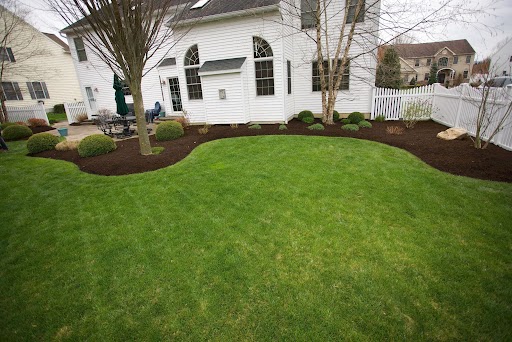
After a hot Pennsylvania summer, many lawns look tired. Grass may be thin, compacted, patchy, or slower to recover from foot traffic and dry weather. Fall is one of the best times to repair that stress because cooler temperatures and better moisture give turf a stronger chance to recover.
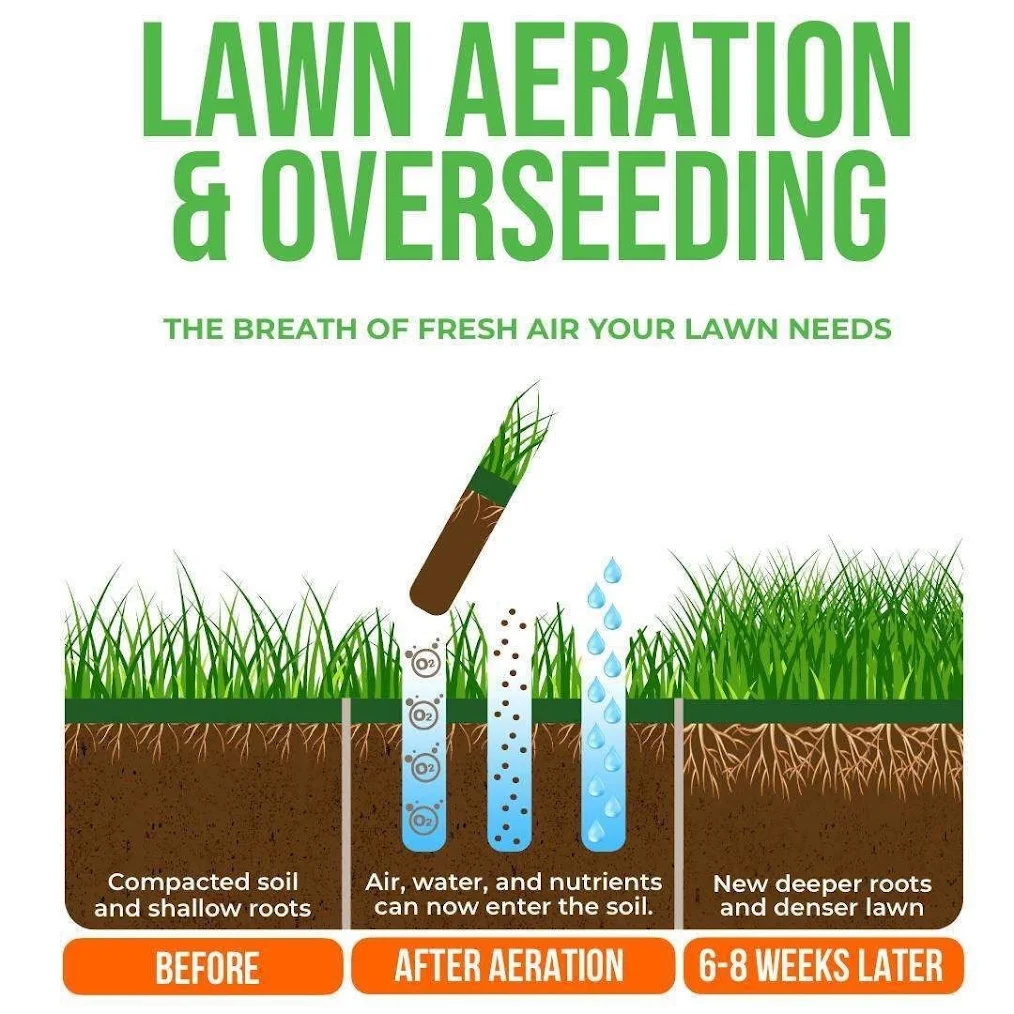
Lawn aeration and overseeding work together to improve soil, fill bare spots, and create thicker grass. Aeration opens compacted soil so air, water, nutrients, and fertilizer can reach the root zone. Overseeding adds fresh grass seed to improve density and help the lawn look fuller next season.
Table of Contents
ToggleWhy Is Fall the Best Time for Lawn Aeration and Overseeding?
Fall gives grass a better growing environment than the heat of summer. Soil is still warm enough for seed germination, but the air is cooler, which reduces stress on new growth. This combination helps new grass establish before winter dormancy.
Fall lawn aeration and overseeding also support stronger root development. Grass that grows deeper roots in fall is better prepared for seasonal changes, including winter cold and the next summer’s heat.
Timing matters. If aeration and overseeding are done too late, seed may not have enough time to establish before colder weather arrives. Planning ahead makes the process more effective.
What Does Lawn Aeration Do?
Aeration creates small holes in the soil to relieve compaction. Compacted soil makes it harder for roots to access air, water, and nutrients. Over time, this can lead to thinning grass, poor drainage, and weaker turf.
By opening the soil, aeration helps water and fertilizer move deeper into the lawn. This encourages stronger roots and better overall growth. It also helps reduce runoff because moisture can soak into the ground more easily.
Homeowners who want a full seasonal plan can pair aeration with professional lawn care services that support turf health through the rest of the year.
How Does Overseeding Help Your Lawn?
Overseeding adds new grass seed across existing turf. This helps fill bare spots, improve density, and create a more uniform appearance. Thicker grass also leaves less room for weeds to spread.
A lawn that has thinned after summer can benefit from fresh seed because older turf may not fill in evenly on its own. Overseeding introduces new growth that can improve the look and strength of the lawn over time.
The best results often come when overseeding is done right after aeration. Seed can settle into the aeration holes, where it has better contact with the soil and a stronger chance to germinate.
What Lawn Problems Can Aeration and Overseeding Improve?
Lawns take a beating during summer. Heat, drought, foot traffic, pets, and heavy use can all leave grass looking worn down. Lawn aeration and overseeding can help address many of these common issues.
Thin turf is one of the biggest reasons to schedule the service. When grass becomes sparse, weeds can move in more easily. Adding new seed helps rebuild density and improve coverage.
Compacted soil is another common issue, especially in areas where children play, pets run, or people walk often. Aeration helps loosen the soil so roots can grow more freely.
Bare spots can also improve with overseeding, especially when the soil has been prepared properly. The process gives new grass a better place to grow instead of relying on seed scattered across hard ground.
Why Does Soil Compaction Hurt Your Lawn?
Soil compaction happens when soil particles are pressed tightly together. This reduces the space available for air and water. Roots need both to grow strong and support healthy grass.
When soil is compacted, fertilizer may not reach the root zone effectively. Water may run off the surface instead of soaking in. Grass can become shallow rooted, weak, and more prone to stress.
Aeration helps reverse this problem by creating openings in the soil. These openings improve movement below the surface and give roots better access to what they need.
How Can Fall Aeration Support Better Fertilization?
Fertilizer works best when it can reach the soil and root zone. If the lawn is compacted, nutrients may sit near the surface or fail to move evenly through the soil.
Aeration allows fertilizer to penetrate deeper, which supports stronger root growth. This is one reason fall lawn aeration and overseeding are often scheduled with other seasonal lawn treatments.
Fall fertilization can help grass store energy before winter. When paired with aeration, the lawn can use those nutrients more effectively.
For homeowners planning seasonal maintenance, a Pennsylvania lawn care calendar can help show how aeration, overseeding, fertilization, and other lawn tasks fit together.
Can Aeration and Overseeding Reduce Weeds?
A thicker lawn is one of the best natural defenses against weeds. Weeds often move into open soil and thin turf. When grass grows thicker, it limits the space weeds need to establish.
Overseeding helps create that thicker turf. Aeration supports the process by improving soil conditions and helping new seeds take hold. Together, these services make the lawn more competitive against unwanted growth.
This does not replace a complete weed control plan, but it can make weed pressure easier to manage over time.
Can These Services Help With Insects and Disease?
A stressed lawn is more vulnerable to insects and disease. Thin grass, weak roots, poor drainage, and low nutrient levels can all create conditions that allow problems to spread.
Aeration improves airflow and drainage in the soil. Overseeding supports turf density and helps replace weaker areas with newer growth. These improvements can make the lawn more resilient.
Healthy turf is not immune to pests or disease, but it is often better able to recover when problems appear. Building strength in fall helps prepare the lawn for future stress.
What Should You Do After Aeration and Overseeding?
After service, the lawn needs consistent care. Watering is especially important during seed germination. The soil should stay evenly moist without becoming soggy.
Avoid heavy traffic in newly seeded areas. Young grass needs time to establish roots before it can handle regular use. Mowing should also wait until new growth reaches a healthy height.
Follow-up care makes a major difference. Aeration and overseeding create the opportunity for recovery, but watering, mowing, and seasonal maintenance help protect the results.
Is Fall Lawn Aeration and Overseeding Right for Your Property?
Many Pennsylvania lawns benefit from fall lawn aeration and overseeding, especially after summer stress. If your lawn has bare spots, compacted soil, weak growth, or heavy traffic areas, this service may be a smart seasonal step.
The right timing depends on your lawn’s condition, soil, and weather patterns. A professional evaluation can help determine the best schedule and any needed follow-up care.
Build a Healthier Lawn This Fall
Fall is the ideal time to repair summer damage and prepare your lawn for stronger growth next year. Lawn aeration and overseeding can improve soil access, strengthen roots, fill bare areas, reduce weed pressure, and support thicker turf.
New Castle Lawn & Landscape can help you schedule fall lawn aeration and overseeding at the right time for your property. Request a seasonal estimate and get your lawn ready for healthier growth.