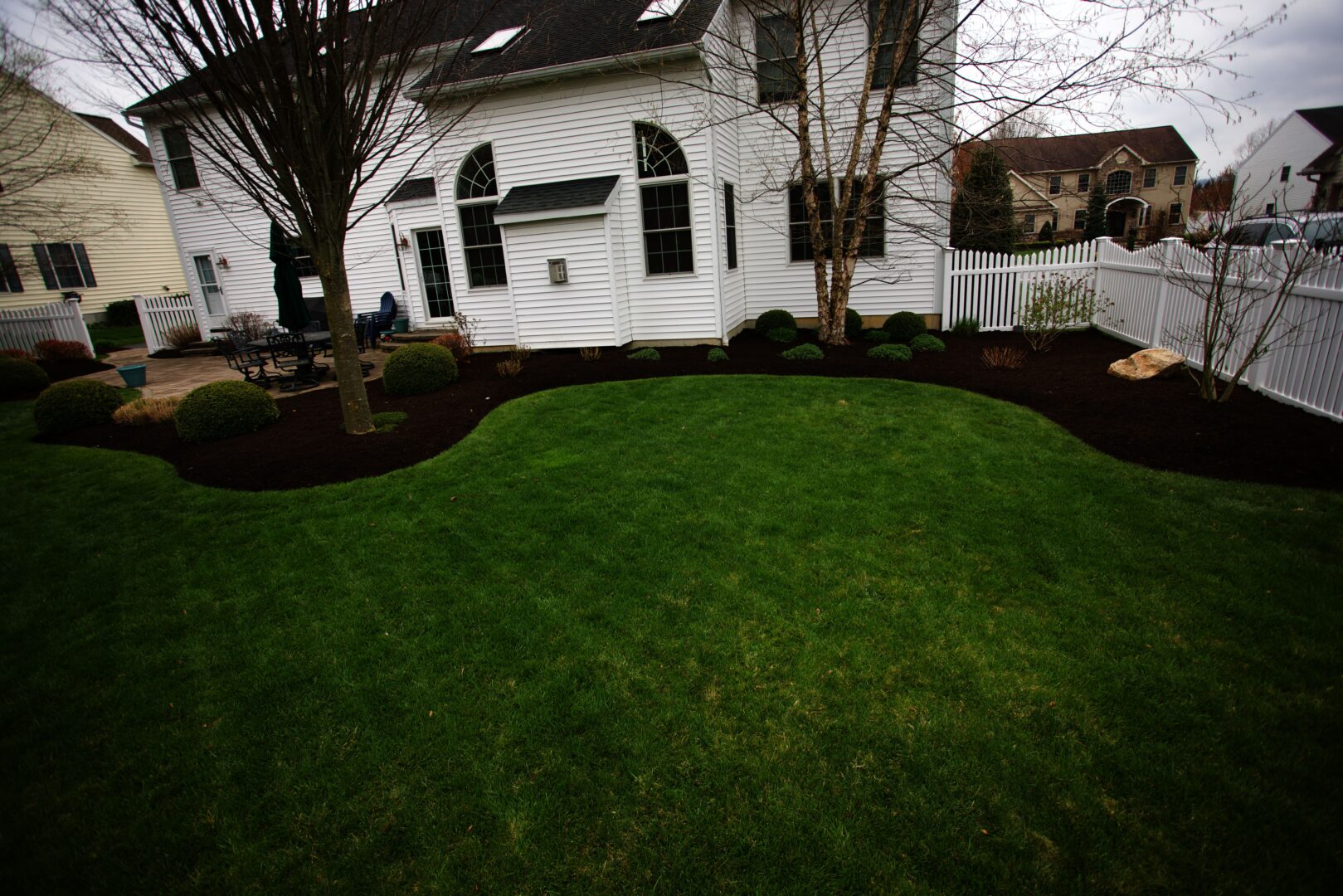
Fall lawn aeration is one of the most effective ways to help a tired lawn recover after summer stress. Heat, foot traffic, dry weather, and compacted soil can all leave turf looking thin or weak by the end of the growing season. Aeration helps open the soil so air, water, and nutrients can reach the roots more easily.
Professional fall lawn aeration services are not just about running equipment across the yard. A good lawn care team looks at the condition of the turf, checks for problem areas, prepares the property, performs the aeration properly, and explains what should happen after the service is complete.
Table of Contents
ToggleWhy Is Fall a Good Time for Lawn Aeration?
Fall is a strong season for lawn recovery because temperatures are cooler and soil is still warm enough to support root activity. After the heat of summer, grass can begin repairing itself before winter dormancy. Aeration helps support that recovery by reducing soil compaction and improving movement into the root zone.
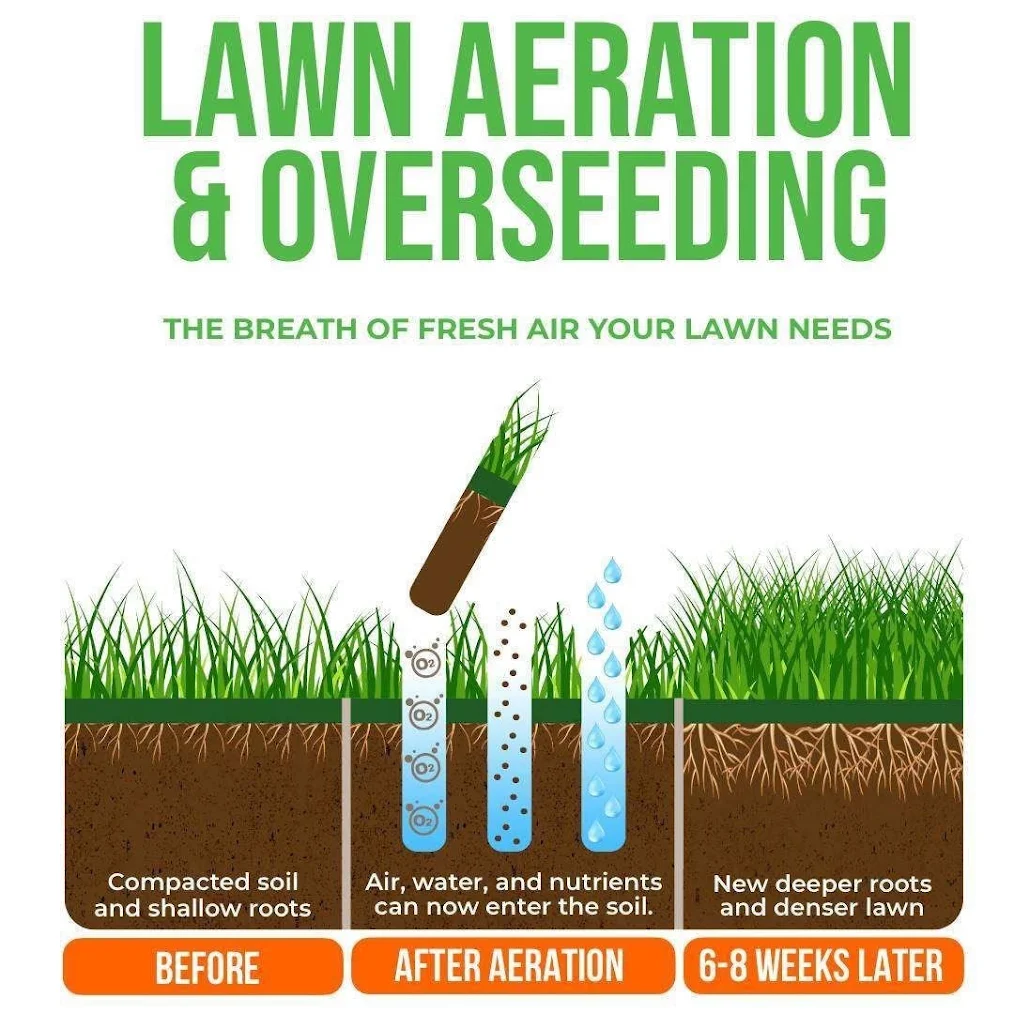
Compacted soil limits how much oxygen, water, and fertilizer can reach the roots. When the soil is too tight, grass may struggle even when it is watered and fertilized. Aeration creates openings that allow the lawn to breathe and absorb what it needs.
Fall lawn aeration also pairs well with overseeding and fertilization. Open soil gives grass seed better contact with the ground, which can improve germination and help fill thin areas.
What Happens During the Initial Lawn Assessment?
Before aeration begins, a professional lawn care team will usually look over the property to understand the lawn’s condition. This may include checking for compacted soil, thin turf, bare patches, drainage concerns, weeds, or areas with heavy foot traffic.
The assessment helps determine whether the lawn is ready for aeration. If the lawn is extremely dry, overly wet, or under stress from disease, timing may need to be adjusted. Aeration works best when soil has enough moisture for the machine to pull clean plugs without tearing up the turf.
This step also helps identify areas that may need extra attention. High-use spaces near walkways, play areas, gates, and driveways often show more compaction than other parts of the yard.
How Should the Lawn Be Prepared Before Aeration?
Preparation makes the service cleaner and more effective. The lawn should usually be mowed before aeration so the equipment can move evenly across the turf. Grass that is too tall can make the process less efficient.
Small items should be cleared from the yard. Toys, hoses, tools, lawn furniture, and decorations should be moved out of the way before the crew arrives. This allows the team to work safely and cover the lawn properly.
Sprinkler heads, shallow irrigation lines, invisible dog fences, landscape lighting wires, or other hidden features should be marked ahead of time. Marking these areas helps protect the property during fall lawn care services and gives the crew a clearer path to complete the work properly.
What Is Core Aeration?
Core aeration uses a machine to remove small plugs of soil from the lawn. These plugs are often called cores. The holes left behind allow air, water, seed, and nutrients to move deeper into the soil.
This is different from simply poking holes into the ground. Spike aeration can push soil aside and sometimes increase compaction around each hole. Core aeration physically removes soil plugs, which gives compacted areas room to loosen.
The cores are usually left on the lawn after the service. They break down naturally and return organic material to the soil. This is one reason lawn aeration can be helpful for compacted turf that needs better access to air, water, and nutrients.
What Will the Lawn Look Like During and After Service?
During the service, the aeration machine will pass over the lawn in a planned pattern. The goal is to create consistent coverage across compacted and high-use areas. Some spaces may receive extra passes if the soil is especially tight.
After the service, the lawn will have small holes across the surface and soil plugs scattered throughout the grass. This is expected. The plugs will begin breaking apart with rain, mowing, and regular lawn activity.
The lawn may look rough for several days, but this temporary appearance is part of the process. Over time, the openings allow the lawn to recover and grow with better access to air, moisture, and nutrients.
Can Aeration Be Done With Overseeding?
Fall lawn aeration is often paired with overseeding because the two services work well together. Aeration creates openings in the soil, and overseeding places new grass seed across the lawn. When seed settles into the holes, it has better contact with the soil.
This can help fill thin patches, improve turf density, and create a more even lawn. Thicker grass also makes it harder for weeds to spread because there is less open space for unwanted growth.
If your lawn has bare areas, weak patches, or thinning from summer heat, overseeding after aeration can be a smart next step. A lawn care team can recommend seed types based on the property and growing conditions.
What Should You Expect From Professional Equipment?
Professional aeration equipment is designed to remove soil cores more effectively than small consumer tools. The machines are heavier and better suited for consistent coverage across larger lawn areas.
The right equipment helps create deeper, cleaner plugs. This improves the benefit of the service because the openings reach farther into the root zone. A professional crew also knows how to handle slopes, tight corners, and different turf conditions.
What Happens After Aeration Is Complete?
After aeration, the crew may review the lawn and clean up surrounding hard surfaces if soil plugs or debris moved onto walkways, driveways, or patios. The plugs left on the lawn should usually stay in place so they can break down naturally.
Post-service care matters. Watering is often important, especially if overseeding was completed at the same time. The soil should stay consistently moist during germination, but it should not become soggy.
It is also smart to limit heavy foot traffic for a short period after overseeding. New seed needs time to settle, germinate, and develop roots. Too much activity can disturb seed and slow results.
How Soon Will You See Results?
Aeration does not create an instant transformation overnight. The first visible change is usually the soil plugs and small holes left behind. The real benefit develops as roots gain better access to air, water, and nutrients.
If overseeding is included, new grass may begin appearing once seed has had enough moisture and time to germinate. Full improvement can take several weeks, depending on weather, watering, and lawn condition.
The biggest benefits often become clearer over time. A properly aerated lawn can develop stronger roots, better density, improved color, and stronger resistance to seasonal stress.
What Mistakes Should Homeowners Avoid After Aeration?
One common mistake is letting the lawn dry out after overseeding. New seed needs steady moisture during the early growth stage. Skipping watering can reduce germination and leave thin spots behind.
Another mistake is removing the soil plugs too soon. The plugs help return material to the lawn as they break down. Raking them away reduces the natural benefit of the service.
Mowing too soon can also disturb new seed. It is better to wait until new growth is tall enough and rooted well enough to handle mowing.
Is Professional Fall Lawn Aeration Worth It?
Professional fall lawn aeration can be a practical investment for lawns with compacted soil, thin grass, bare areas, or heavy traffic. It helps prepare the lawn for stronger root growth and better recovery after summer stress.
A trained team can assess the lawn, use the right equipment, protect marked areas, and recommend follow-up care. This helps the service produce better results than a rushed or uneven approach.
Get Your Lawn Ready for Stronger Growth
Fall lawn aeration helps loosen compacted soil, improve root access, support overseeding, and prepare turf for healthier growth. With the right timing and professional care, your lawn can recover from summer stress and enter the next season in better condition.
New Castle Lawn & Landscape can assess your turf, prepare the lawn properly, and complete the service with the right equipment. To schedule fall aeration for your property, contact us before the season moves too far along.