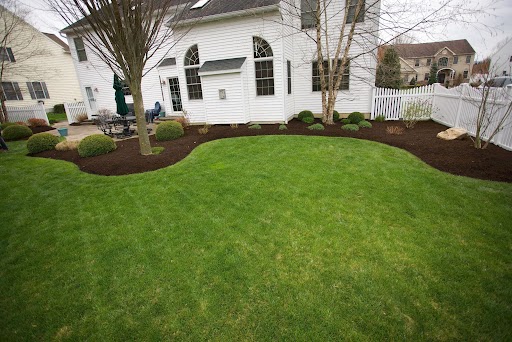
Summer heat can be hard on plants, especially during long stretches of dry weather and intense sun. Leaves may wilt, soil can dry out quickly, and roots may struggle to keep up with moisture loss. Learning how to protect plants from heat helps keep your landscape healthier and more stable during the hottest parts of the year.
Heat stress does not always mean a plant is dying. In many cases, plants are trying to conserve moisture and reduce strain. The right care can help them recover and continue growing once temperatures become more comfortable again.
Table of Contents
ToggleWhy Do Plants Struggle During Summer Heat Waves?
Plants lose moisture through their leaves, and hot weather speeds up that process. When soil dries faster than roots can absorb water, plants begin to show signs of stress. Wilting, curling leaves, faded color, and slowed growth are all common during heat waves.
Soil temperature also matters. Hot soil can stress roots, especially around shallow-rooted plants or newer plantings that have not fully settled into the ground. Mulch, watering, and temporary shade can all help protect roots from extreme heat.
Some plants handle summer heat better than others. Native plants and well-established shrubs often recover more easily, but young plants, annuals, container gardens, and recently installed landscaping usually need extra attention.
How Should You Water Plants During Extreme Heat?
Watering is one of the most important steps during hot weather, but timing and technique matter. Deep watering helps moisture reach the root zone, where plants need it most. Light surface watering may evaporate quickly and may not give roots enough support.
Morning is usually the best time to water. Cooler temperatures allow moisture to soak into the soil before the strongest sun arrives. Evening watering can work in some cases, but wet leaves overnight may increase the chance of plant problems in certain areas.
Focus water near the base of the plant rather than spraying leaves. This helps direct moisture to the roots and reduces waste. Slow watering is best because it gives soil time to absorb moisture instead of allowing runoff.
If watering feels difficult to manage during summer heat, New Castle Lawn & Landscape can help with irrigation solutions built around your property’s needs. A properly planned irrigation setup can deliver water more consistently, reduce dry spots, and support healthier plants during hot, dry stretches.
Expert Guidance and Care
For homeowners who want a healthier landscape through the full growing season, professional plant health guidance and ongoing care can help identify what different plants need during stressful weather.
How Does Mulch Help Protect Plants From Heat?
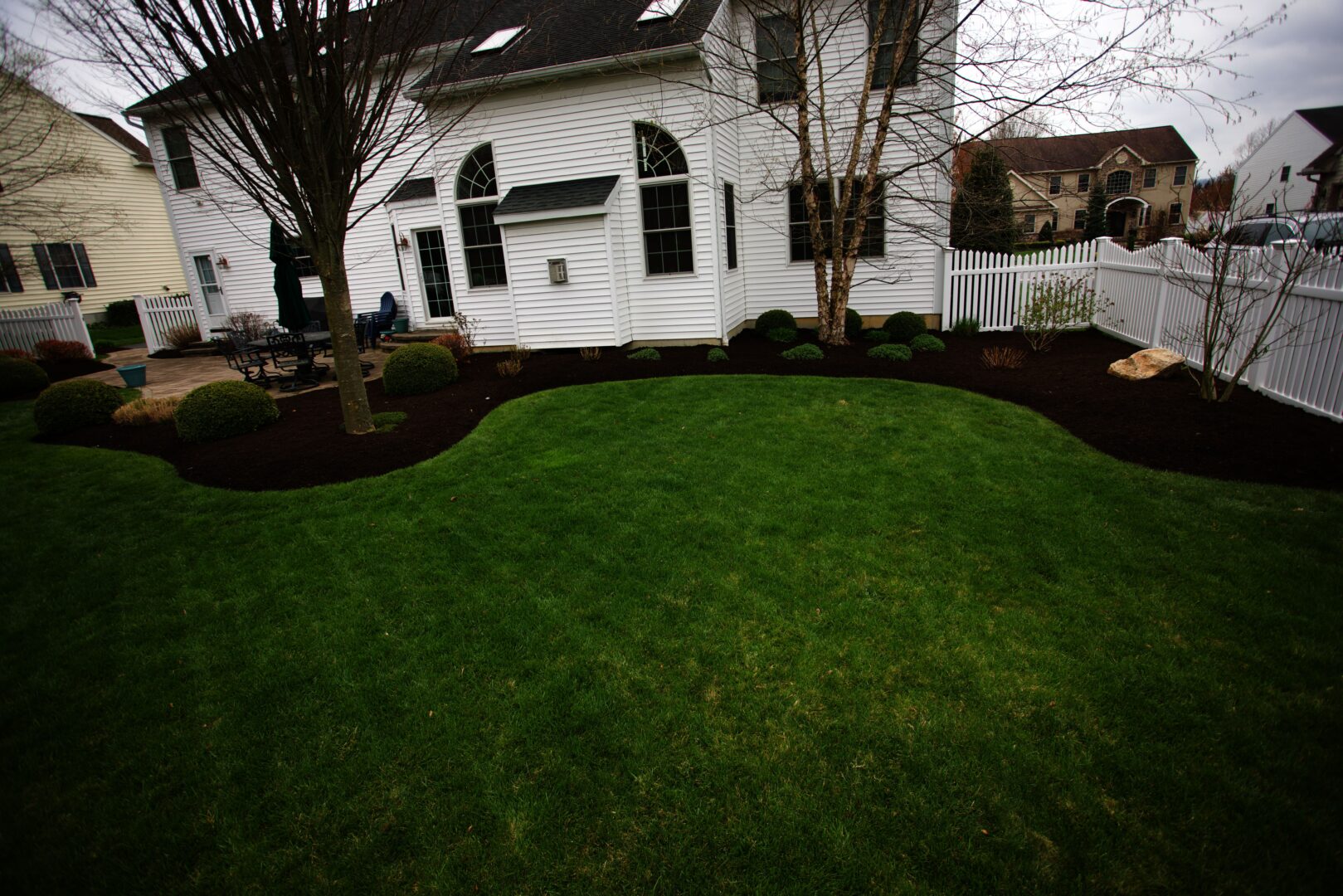
Mulch acts like insulation for the soil. It helps reduce moisture loss, keeps soil temperatures more stable, and protects shallow roots from direct sun. During summer heat waves, this layer can make a noticeable difference.
A proper mulch layer should be deep enough to cover exposed soil, but not piled against stems or trunks. Too much mulch around the base of a plant can trap moisture where it does not belong and may lead to other concerns.
Organic mulch also improves soil over time as it breaks down. This can support healthier roots and better moisture retention in future seasons. For many gardens and planting beds, mulch is one of the simplest ways to protect plants from heat.
When Should You Add Temporary Shade?
Some plants need relief from direct afternoon sun during extreme heat. Temporary shade can protect leaves from scorching and reduce moisture loss. Shade cloth, patio umbrellas, or light garden fabric can help during short heat waves.
New plants often benefit most from temporary shade. Their roots are still adjusting, so they may not be able to pull enough moisture from the soil during hot weather. Giving them partial protection for a few days can reduce stress.
Shade should allow airflow. Avoid covering plants too tightly, since trapped heat can create more stress. The goal is to soften direct sun, not close the plant off from air and light.
How Can You Care for Container Plants in Hot Weather?
Container plants dry out faster than plants growing in the ground. Pots heat up quickly, and soil volume is limited, which means moisture can disappear fast during a heat wave.
Check container plants daily during extreme heat. Some may need water once a day, and smaller pots may need attention more often. Move containers into partial shade when possible, especially during the hottest part of the afternoon.
Grouping pots together can also help. Plants placed near each other create a slightly cooler, more humid area. This small change can reduce stress and help container gardens stay healthier through hot conditions.
Should You Prune or Fertilize During a Heat Wave?
Heavy pruning during a heat wave can add stress. Plants rely on leaves for energy, and removing too much growth during extreme weather can make recovery harder. It is usually better to wait until temperatures settle before major trimming.
Light removal of dead or damaged growth may be fine, but avoid shaping or cutting back healthy plants during intense heat. The same idea applies to fertilizing. Feeding plants during stress can push growth at a time when they are trying to conserve energy.
Steady care is more useful than aggressive treatment. Water, mulch, and shade are usually better tools during the hottest days.
What Are Signs of Heat Stress in Plants?
Wilting is one of the most common signs of heat stress. Some plants wilt during the afternoon and recover in the evening. If they bounce back after temperatures drop, they may only need better moisture support.
Leaf edges may turn brown or crisp when heat stress becomes more serious. Flowers may fade faster, buds may drop, and growth may slow. In container plants, soil may pull away from the sides of the pot when it becomes too dry.
It is important to look at the whole plant and the surrounding conditions. A plant in full sun near pavement may struggle more than the same plant in a cooler garden bed.
How Can Regular Maintenance Help During Summer Heat?
A well-maintained landscape is better prepared for hot weather. Healthy soil, proper spacing, clean beds, and regular monitoring all help plants handle stress. Overcrowded beds may compete for water, and neglected weeds can take moisture away from desired plants.
Routine care also makes it easier to spot early problems. When beds are maintained consistently, changes in leaf color, growth, or soil moisture are easier to notice.
Homeowners who want seasonal support can benefit from professional landscape maintenance and plant care that keeps outdoor spaces healthier through changing weather.
How Can You Plan Ahead for Future Heat Waves?
The best way to protect plants from heat is to prepare before temperatures spike. Choosing plants suited to local conditions, improving soil, adding mulch, and creating smart watering habits all reduce stress during summer.
Plant placement also matters. Sensitive plants may do better where they receive morning sun and afternoon shade. Heat-tolerant plants can be used in more exposed areas, especially near walkways, patios, or driveways.
Irrigation planning can also help. Drip irrigation or soaker hoses deliver water slowly and directly to the soil. This supports deeper watering and reduces waste during dry weather.
Keep Your Plants Healthier Through the Summer
Summer heat waves can challenge any landscape, but the right care can help plants stay stronger and recover more smoothly. Deep watering, mulch, temporary shade, and consistent maintenance all play a role in protecting plant health during hot weather.
New Castle Lawn & Landscape can help you care for your plants and landscape through the toughest parts of the season. Contact New Castle Lawn & Landscape today to schedule a consultation and get expert support for your outdoor space.