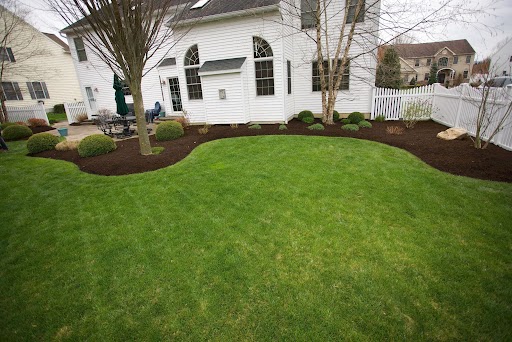
Sloped yards, shifting soil, and uneven outdoor spaces can create challenges for homeowners across Pennsylvania. In many cases, these issues are not just cosmetic, but rather they can affect how your property functions and how well your landscape holds up over time. Knowing when you need a retaining wall helps you address these problems before they become more difficult to manage.
A properly designed retaining wall provides structure, improves drainage, and creates usable space. It also supports long term stability, especially in areas where elevation changes are more pronounced.
Table of Contents
ToggleWhy Do Retaining Walls Matter for Your Landscape?
Retaining walls serve both functional and visual purposes. They hold soil in place, manage water flow, and help define different levels within a yard. Without proper support, sloped areas may shift or erode, leading to uneven surfaces and ongoing maintenance concerns.
In addition to preventing movement, retaining walls create opportunities to improve how your outdoor space is used. Level areas can be introduced for patios, seating, or other features that would not be possible on a slope. So when do you need to build a retaining wall? Here’s a look at some common signs.
Sign 1: Soil Erosion and Washed Out Areas
One of the clearest signs that you may need a retaining wall is visible soil erosion. This can appear as bare patches, exposed roots, or areas where soil has shifted after heavy rain.
Erosion tends to worsen over time if it is not addressed. Water moving downhill can carry soil away, which reduces stability and affects plant health. A retaining wall helps hold soil in place and manage how water moves across the property.
If erosion is already visible, it is often a sign that the slope needs structural support rather than temporary fixes.
Sign 2: Sloped or Uneven Yard
Not every slope requires a retaining wall, but steeper grades can limit how your yard is used. Sloped areas can make it difficult to place furniture, install features, or maintain consistent landscaping.
A retaining wall allows you to create level sections within the yard. These flat areas can be used for seating, dining, or play space. Even smaller adjustments can improve usability and make the property feel more organized.
When considering when you need to build a retaining wall, the usability of your outdoor space is an important factor.
Sign 3: Water Drainage Issues
Poor drainage often leads to long term problems in a landscape. Water may collect at the base of slopes, pool in certain areas, or move too quickly across the yard.
Retaining walls can be designed with drainage in mind. Proper grading, drainage systems, and wall construction help redirect water away from problem areas. This protects both the landscape and nearby structures.
Addressing drainage concerns early can prevent soil movement and reduce the need for repeated repairs.
Sign 4: Cracks or Shifting in Existing Structures
If you already have a retaining wall or other hardscape features, signs of movement should not be ignored. Cracks, leaning sections, or separation between materials can indicate that the structure is no longer providing proper support.
In some cases, repairs may be possible. In others, rebuilding or reinforcing the wall may be necessary to restore stability. Identifying these issues early helps limit further damage.
Sign 5: Creating Space for a Pool or Patio
Many homeowners consider retaining walls when planning major outdoor projects. A retaining wall for a pool or patio can help create a stable, level area where none previously existed.
This is especially important for installations that require precise grading. Pools, patios, and outdoor kitchens depend on stable surfaces for both safety and long term performance.
When evaluating when you need a retaining wall for a pool, the goal is to allow the surrounding area to support the structure without shifting or settling over time.
Sign 6: Protecting Your Home’s Foundation
In some cases, soil movement can affect areas close to the home. Slopes that direct water toward the foundation or allow soil to shift can create concerns over time.
A retaining wall can help redirect water and stabilize the surrounding ground. This reduces pressure on the foundation and helps maintain the integrity of the structure.
Addressing these conditions early is often more effective than waiting for visible damage to appear.
Design Considerations for Retaining Walls
Retaining walls should be designed with both function and appearance in mind. Material selection, height, and placement all influence how the wall performs and how it fits into the landscape.
Natural stone, concrete blocks, and other materials offer different looks and levels of durability. The right choice depends on the property, the intended use, and the surrounding design elements.
Drainage is one of the most important factors in retaining wall performance. Without proper water management, even well built walls can experience pressure and movement over time.
Ongoing care also plays a role in maintaining the surrounding landscape. Coordinating improvements with maintenance and plant care means that both hardscape and softscape elements are balanced and healthy.
When to Work With a Professional
Retaining wall projects often involve structural considerations that go beyond surface level design. Soil conditions, drainage, and load requirements all need to be evaluated carefully.
Working with a professional means the wall is built correctly from the start. Proper planning, material selection, and installation techniques support long term performance and reduce the risk of future issues.
A professional approach also allows for better integration with existing features, creating a more cohesive outdoor space.
Take the Next Step for a More Stable Landscape
Understanding when you need a retaining wall helps you address issues before they affect the rest of your property. From controlling erosion to creating usable space, retaining walls provide both stability and flexibility.
New Castle Lawn & Landscape designs and builds retaining walls that support long term landscape performance and visual appeal. If your yard shows signs of shifting soil, drainage concerns, or limited usable space, request a free estimate to discuss the right solution for your property.