Winterizing your landscape is a proactive approach to cold weather that protects the health and vitality of your plants through the dormant season.
Neglecting these preparations can lead to serious damage, including frostbite, dehydration, and increased susceptibility to pests and diseases come spring.
By taking the necessary steps now, you can safeguard your investment and enjoy a thriving garden when warmer temperatures return. This comprehensive guide will walk you through the essential tasks for a successful winterization, helping you with every step of the process.
Table of Contents
ToggleWhat Are The Steps To Take For Winterizing Your Lawn?
By following these steps, you can make sure that your lawn stays vibrant and healthy, even after enduring harsh winter conditions while dormant.
Here’s what you can do:
Step 1: Lawn winter preparation
With lawn winter preparation, strengthening roots while also preventing diseases can pave the way for healthy regrowth when spring arrives.
Grass doesn’t need to be mowed as frequently when the weather gets cooler. However, make sure to cut the grass at least one last time before the snowfall.
Make sure that you cut the grass at the right height. If it’s too short, it increases the risk of frost damage. If it’s too long, this can create an environment that mold and pests alike will thrive in. Your last mowing should allow for 2.5 to 3 inches of grass, which is ideal for cool-season grasses to thrive in the winter months.
Winter lawn maintenance should also include late-season fertilization. When applying fertilizer in the late fall (sometime around October to late November, if snow hasn’t fallen at that point), you’re providing that lawn with essential nutrients that will allow your roots to retain energy during dormancy. This will allow for early green-up when the weather gets warmer.
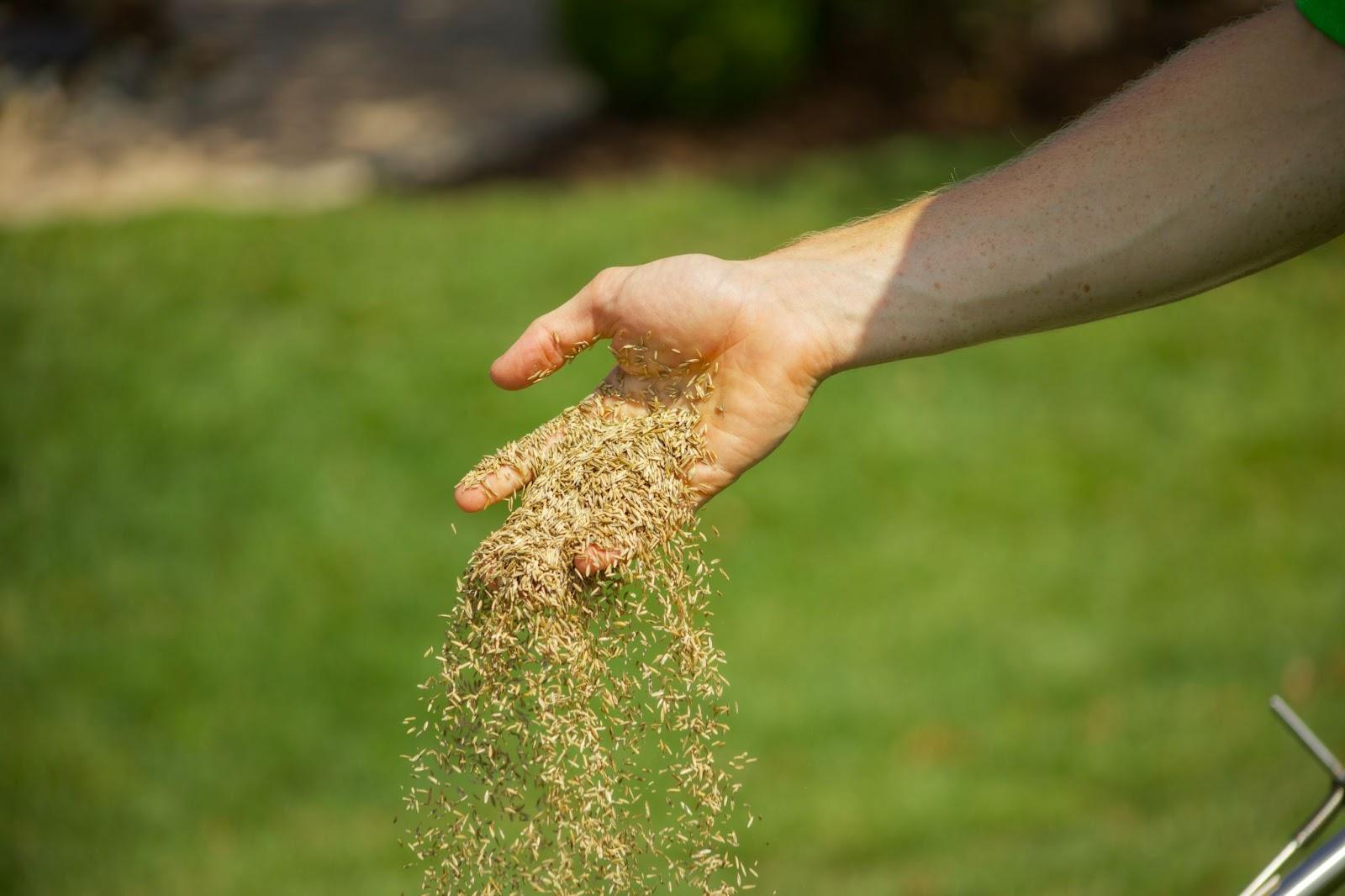
Consider aerating and overseeding to prevent soil compaction and improve oxygen flow to roots. Overseeding after aeration improves turf durability and resilience in cold weather.
Step 2: Plant Protection Against Winter Weather
Your lawn isn’t the only thing that needs protection from harsh winter weather. Your plants need love, too. Flower beds and perennials need special attention before the frost gets to them. Though it may be difficult to pinpoint when the first frost may happen, it might be a good time to provide your plants with the protection they need sooner rather than later.
Protecting your plants during winter can prevent cold stress and premature death. A good approach is mulching, which acts as an excellent insulator. Apply 2 to 3 inches of mulch at the base of your perennials, shrubs, and flower beds. This will maintain adequate soil temperature, provide essential support for delicate roots, and conserve moisture.
If you need to cover tender plants, there are materials that can work to your advantage. For example, frost cloths, burlap, or even plant covers with breathable materials can be great for sensitive plants that need special protection against winter. Do not use plastic as it can trap moisture while also causing and accelerating rotting.
Should you water your plants before a freeze? Yes, it is advisable to deeply hydrate your shrubs and perennials before cold weather arrives. This practice helps build resilience against dry winter air, as the water will not freeze instantly and your plants will receive the necessary hydration to survive.
Step 3: Tree and Shrub Winter Care
Trees and shrubs still command respect in any yard. That’s because they have long been an excellent asset that can elevate your outdoor space as well as its curb appeal. Proper attention before winter is essential to maintain their aesthetic appeal and curb appeal.
If you need professional help, New Castle Lawn & Landscape offers tree and shrub winter care services aimed at protecting them from damage caused by snow load, ice storms, wildlife, and other factors.
To begin, pruning should be done in order to remove any dead or weak branches that may break under heavy snowloads. Plus, proper pruning will allow for trees and shrubs to maintain an appropriate shape that will support healthier spring growth.
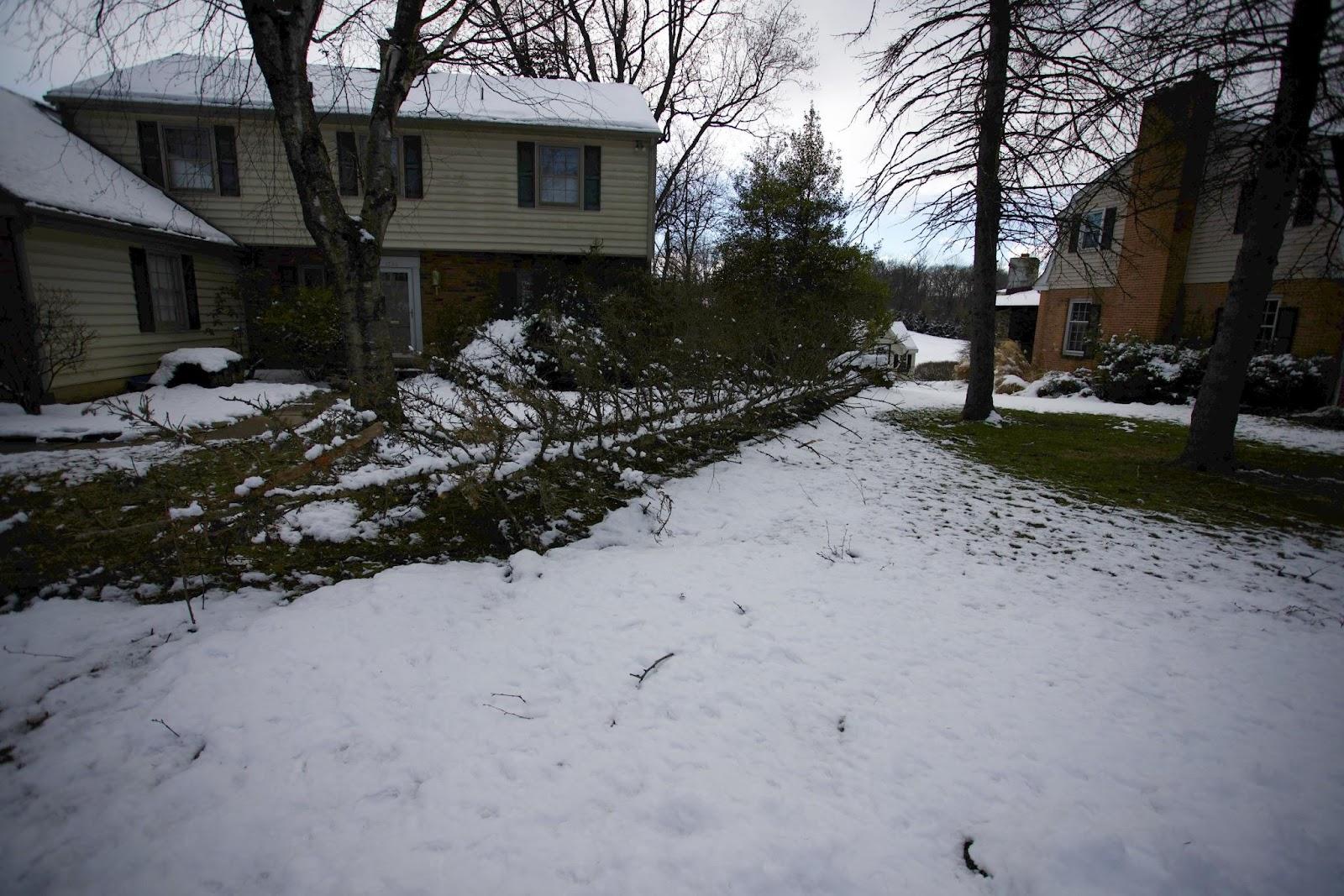
If you have young trees in your yard, particularly species that are prone to sunscald and cracking, the trunks will need to be wrapped with protective material. As the winter weather approaches, wildlife like deer, rodents, and rabbits may be searching for food and may find your yard as the buffet.
This means that your trees, especially bark and twigs, may need to be protected against wildlife. Use tree guards or repellents on vulnerable plants so wildlife can be kept at bay (albeit in a way that is a safe and harmless approach).
Step 4: Protecting Your Lawn in Cold Weather
Fertilization and mulching are just part of the battle. There are more cold-weather lawn tips that should be followed to maximize your yard’s health.
The sooner you put these to good use, the better. Here are some recommendations that professional lawn care providers like New Castle Lawn & Landscape do even in their own yards:
First, rake and remove fallen leaves regularly. Believe it or not, fallen leaves may be suffocating your grass, and you might not know it. Next, when the grass is dormant, be sure to limit foot traffic to minimize the risk of bare spots and compaction.
Make sure to also remove debris like branches and sticks on a regular basis to prevent disease and mold. Then, carefully plan for snow removal to ensure that heavy snow or ice doesn’t pile up and damage the lawn.
Even if your lawn is inactive, you can still take the necessary steps to protect it while ensuring that it remains resilient throughout the entire season. If you don’t have the time to get it done, New Castle Lawn & Landscape’s lawn care professionals can get it done for you.
Step 5: Create a Seasonal Yard Preparation Checklist
Seasonal yard preparation doesn’t have to be a chore, let alone a monumental task. It should be simplified to the point where you can put together a checklist that will allow you to perform the necessary tasks before winter hits. Thus, here are some things to include in the checklist:
- Mow the grass one more time and make sure it’s 2.5 to 3 inches.
- Fertilize the lawn to ensure it gets the appropriate nutrients.
- Aerate and overseed any bare areas that may exist.
- Apply mulch around flower beds and shrubs.
- Cover any delicate ornamentals and perennials.
- Prune dead branches from shrubs and trees.
- Wrap any young, vulnerable trees.
- Deep water plants before the ground freezes.
- Rake and clear any leaves and debris.
A list like this one can help you keep your yard in tip-top shape throughout the colder months.
Need To Winterize Your Landscape? Contact Us Today
Prepare your landscape for winter’s harsh conditions with the professional knowledge and know-how of New Castle Lawn & Landscape. As fall approaches, contact our team of experts for a consultation to ensure your lawn, trees, plants, and shrubs are ready.
Contact us today for more information.