Cold Pennsylvania winters can be hard on shrubs, perennials, and young trees. Freezing temperatures, dry winds, and constantly changing conditions put stress on both roots and foliage. Thoughtful planning for winter frost protection for plants helps protect your investment so that your landscape can come back strong when the season is over.
These are some landscaper-approved ways to shield plants from frost, including covering techniques, watering strategies, and smart material choices that are perfect for both commercial and residential properties.
Table of Contents
ToggleFrost Covering: How To Choose Materials
Frost covering is one of the most reliable types of frost protection for plants over winter. The type of material you choose has a big impact on how effective that protection will be.
Breathable fabrics are usually the best choice. Common DIY options include burlap, cotton sheets, and lightweight blankets, but we recommend working with professionals who use commercial frost cloth for its durability and breathability.
Commercial frost protection materials trap warmer air rising from the soil while still allowing some airflow. For the best results, covers should be draped over the plant and secured at the ground, creating a loose tent that doesn’t crush branches.
When and How To Cover Plants for Winter
Timing matters for winter frost protection for plants. Covers should go on in the late afternoon or early evening before temperatures drop below freezing. This approach traps warmth that has built up in the soil during the day. In general, it’s best to remove the covers again in the morning once temperatures climb.
Some plants only need protection during the harshest nights. Others, like tender broadleaf evergreens or newly installed plants, might benefit from more frequent coverage. Grouping similar plants in the same beds can make it easier for crews to cover and uncover them efficiently on busy commercial sites.
Watering Strategies That Support Frost Protection
Moist soil holds more heat than dry soil. That’s why a deep watering earlier in the day can support frost protection for plants over winter. When the ground is moist, it releases warmth slowly overnight, helping to stabilize root temperatures.
For the best results, plants should get water several hours before a freeze, not right before nighttime.This gives excess surface moisture time to soak in. Overwatering in winter can cause its own problems, such as root stress and compaction, so the goal is a thorough but measured soak rather than saturated beds.
Watering schedules will vary by property, plant type, and soil conditions. A tailored plant health care plan provided by professional landscapers can help you perfect your watering strategy.
How Does Mulch Protect Plants in Winter?
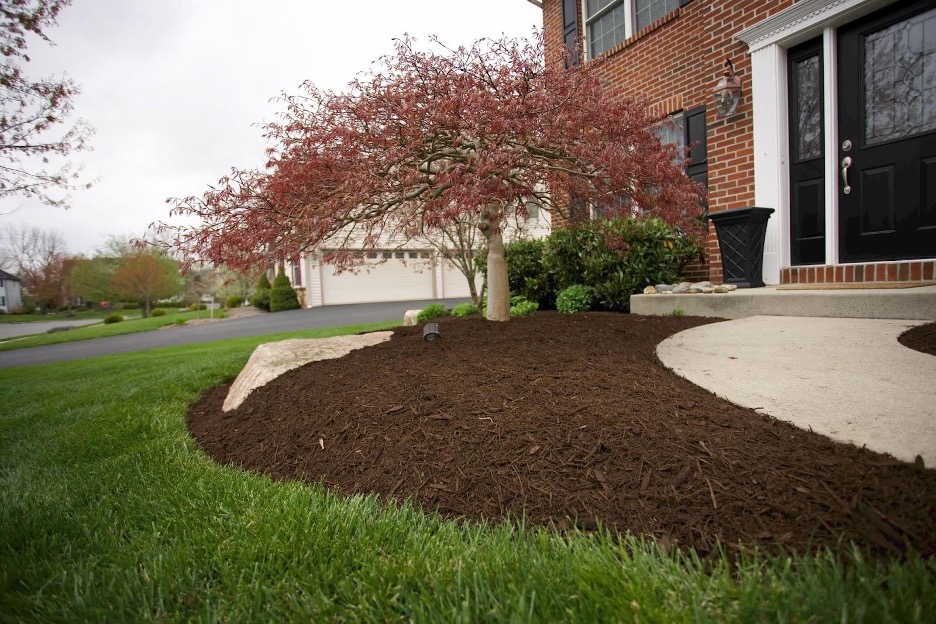
Mulch acts like a natural blanket over the soil. A layer of shredded bark, wood chips, or composted leaves helps insulate roots, slow moisture loss, and keep soil temperatures more stable through winter swings.
For most landscape beds, a depth of around two to three inches works well. Too much mulch can lead to excess moisture and root problems. Pull mulch back slightly from the base of trunks and stems to prevent rot.
Mulch is especially valuable around newly planted shrubs and perennials. Strong root systems are at the heart of successful winter frost protection for plants, since roots supply moisture and nutrients to recovering growth in spring.
Protecting Newly Installed Plants
New plantings are often the most at risk during their first winter. Their roots are not yet fully anchored and may sit closer to the surface. Frost heave can push roots upward, and cold, drying winds can stress foliage.
Extra attention for new plants can include slightly thicker mulch rings, regular soil moisture checks, temporary barriers or wraps on exposed sides, and more frequent use of frost cloth on cold nights. Also, clear labeling or map notes about recent installations helps expert lawn maintenance crews prioritize protection during sudden cold snaps.
How Frost Damages Landscape Plants
Frost develops when surface temperatures drop low enough for moisture in the air to freeze on leaves, stems, and buds. Ice crystals can puncture plant cells, which leads to problems like blackened foliage, leaf drop, or dieback on tender tips. Repeated freeze and thaw cycles can be even tougher, since tissues expand and contract again and again.
Plants that are newly installed, shallow rooted, or exposed to open wind are often more vulnerable to frost. Evergreen shrubs may lose moisture through their foliage faster than roots can replace it during cold, dry weather. When you’re planning winter frost protection for yard plants, it makes sense to focus on these higher risk areas first.
Frost care works best when it supports the health of the entire plant. If you treat winter preparation as one piece of a broader strategy, you’ll see better long-term results. That’s why many property owners choose structured plant health care plans instead of relying only on last-minute protection.
Connecting Frost Protection to Overall Plant Health
Frost care works best when it supports a bigger picture. Plants that receive proper pruning, soil care, and pest management across the year are more resilient under stress. Strong roots, balanced nutrition, and appropriate spacing all contribute to better winter outcomes.
That is why many property managers view winter frost protection for yard plants as just one part of the picture rather than a stand-alone emergency measure. Coordinated plant health care across seasons provides a stable foundation for every cold-weather strategy described here.
Keep Your Landscape Healthier Through Winter
Winter frost protection for plants helps you preserve your landscape investment, reduce plant loss, and support a stronger start when spring arrives. The right covers, proper watering, smart mulching, and attention to microclimates all work together to guard vulnerable shrubs, perennials, and young trees.
If you need expert guidance on cold-weather care, plant health, and long-term landscape planning, contact New Castle Lawn & Landscape today.