Healthy trees lead to safer, more attractive properties across Pennsylvania, but even well-maintained landscapes can face problems when disease develops. Many issues begin quietly, so early identification plays an important role in long-term tree health. Understanding what these problems look like helps business owners know when to act, when monitoring is enough, and when to contact a professional for support.
This guide covers the most common tree diseases in Pennsylvania, how to recognize warning signs, and which steps help protect your investment over time.
Why Do Tree Diseases Develop in Pennsylvania?
Pennsylvania’s seasonal shifts sadly create ideal conditions for several fungal and bacterial diseases.
Cool, wet springs can encourage spore activity, and hot, humid summers often stress older trees. Urban environments add pressure through compacted soil, road salt, storm damage, and limited root space.
When trees experience stress, their natural defenses can weaken. Routine inspections, careful pruning, and consistent care reduce the risk, although even strong trees may show symptoms during difficult weather cycles.
Trees on commercial properties often face added stress from foot traffic, soil compaction, and exposure to road salt during winter. These conditions make routine monitoring even more valuable. Spotting subtle changes early helps prevent larger issues, especially in landscapes with a mix of mature trees and younger plantings.
Anthracnose: A Widespread Issue for PA Trees
Anthracnose affects a wide range of shade trees, including maples, oaks, sycamores, and ash. Young leaves tend to be the most vulnerable.
Signs include distorted new foliage, dark blotches along leaf veins, and premature leaf drop. The disease thrives during cool and rainy spring weather, so symptoms often appear early in the season.
When anthracnose becomes severe or spreads across multiple species on the same property, many commercial property managers turn to comprehensive tree services in Reading, PA for assessment and long-term protection.
Common Maple Tree Diseases and Their Warning Signs
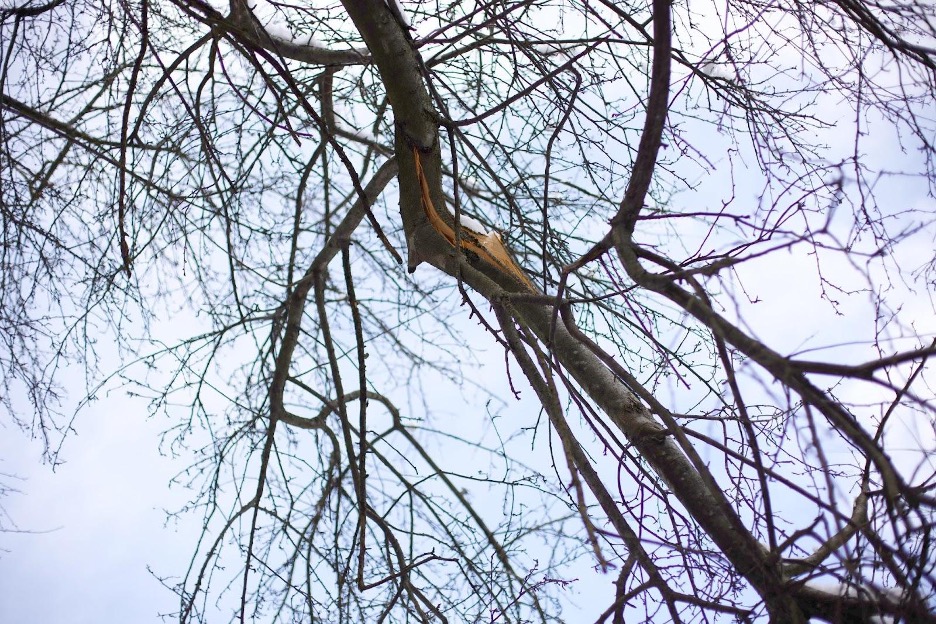
Maples provide strong seasonal color, but they are prone to recurring issues. Tar spot is a familiar problem that creates raised black dots on foliage in late summer. Although noticeable, it is often more cosmetic than harmful.
Verticillium wilt is more serious. This soil-borne fungus moves through a tree’s vascular system, causing wilting, yellowing, sparse canopy growth, or branch dieback. Because symptoms resemble water stress, it is not always spotted early.
When a maple shows uneven growth or early leaf drop, many property owners include the tree in routine care programs that prioritize essential care for trees. This type of support helps reduce the impact of common maple tree diseases and supports long-term health.
Diseases That Commonly Affect Cherry Trees
Cherry trees, especially ornamental varieties, often struggle with leaf and bark problems during wet seasons. Cherry leaf spot is one of the most common concerns. It creates small reddish or purple marks that eventually turn brown and form holes. Repeated infections can weaken the tree over time.
Black knot is another issue. It forms dark, swollen lumps along branches that enlarge as the disease progresses. Because knots remain visible year-round, winter inspections help identify pruning needs before the growing season begins.
If you have multiple cherry trees on your property, consider consistent monitoring to reduce long-term damage from these cherry tree diseases.
Apple Scab on Ornamental Crabapples
Crabapples are a popular choice for commercial properties, but they are very susceptible to a disease called apple scab. This disease creates olive-colored blotches on new leaves, which eventually yellow and drop early. Heavy defoliation reduces flowering and can weaken the tree.
Resistant varieties of crabapple can be planted in new designs, but established crabapples often require seasonal evaluation to keep them looking healthy and to avoid ongoing stress.
Fire Blight in Rosaceous Trees
Fire blight affects species such as apple, pear, and serviceberry. It develops during warm spring weather and causes shoots to darken and curl downward. The affected tip often looks scorched.
Pruning at the correct time of year is vital, as bacteria can spread easily through open cuts. Sanitizing tools between cuts helps limit infection and keeps the disease from moving into healthy branches or nearby trees.
Oak Wilt and Other Threats to Mature Oaks
Oak wilt is a serious concern in some parts of Pennsylvania. This fungal disease disrupts water movement inside the tree, leading to browning leaves, thinning canopies, and branch dieback. Red oaks decline faster than white oaks.
Older oaks also experience issues from compacted soil, root stress, and cankers. Because mature trees are significant assets on commercial sites, changes in canopy health should be evaluated quickly. When decline becomes advanced or structural issues appear, businesses should turn to a tree removal service to keep the landscape safe.
How To Spot Early Warning Signs of Tree Disease
While each tree disease has its own unique symptoms, there are several common indicators that can quickly let you know something is wrong.
Look for curling, wilting, or discolored leaves, especially if these changes occur fast or without an obvious environmental cause. Early or unusual leaf drop can also signal that something is wrong, as can thin or uneven canopy growth that suggests stress within the tree.
Problems with the bark are another warning sign. Sunken or raised lesions, oozing sap, or areas that show visible decay may indicate infection or pest activity beneath the surface. You might also notice lumps or knot-like growths forming on branches, which can point to fungal issues or other structural concerns. In some cases, trees begin producing fewer flowers than usual, or their leaves appear smaller than normal, indicating a decline in overall health.
Routine tree inspections are key to catching these symptoms early. On commercial properties with a lot of foot traffic, simple visual checks during regular maintenance can provide valuable insight into potential tree diseases in Pennsylvania before problems escalate.
When To Contact a Professional Tree Removal Service
Tree symptoms can develop due to weather shifts, soil conditions, pests, or normal aging, not just disease. However, many serious tree problems require expert evaluation to determine the cause and the most effective tree disease treatment plan.
Professional landscaping teams diagnose issues, recommend targeted treatments, support long-term maintenance, and remove unsafe trees when needed. We also understand how seasonal conditions in Pennsylvania affect each species and how to tailor care for commercial properties that depend on healthy, beautiful trees.
Protect Your Trees With New Castle Lawn & Landscape
When signs of tree disease pop up, it’s best to act early. Whether you’re worried about possible maple tree diseases, cherry tree diseases, or other common tree problems in Pennsylvania, consistent monitoring and early intervention help protect the beauty and long-term value of your landscape.
If your trees show signs of stress or you want a proactive care plan, contact New Castle Lawn & Landscape for help.