Winter often feels like a waiting period for your yard, but grass does not stop responding to its environment once temperatures drop.
Growth may slow or pause, but the lawn is still affected by moisture, foot traffic, and how well it was prepared ahead of time. The choices you make before and during winter shape how healthy your grass will be when spring arrives.
Knowing how to keep grass alive in winter doesn’t require complex routines. It starts with understanding how grass behaves in cold weather and making a few smart adjustments. With steady winter grass care, your lawn can stay protected through the cold months and recover more evenly once conditions improve.
Here are five simple tips to help keep grass alive in the winter.
Table of Contents
ToggleWhy Is Winter Hard on Grass?
Winter places stress on grass in ways that are easy to overlook. As soil temperatures fall, grass shifts into a dormant state and focuses on conserving energy. Roots grow more slowly, and blades stop pushing new growth.
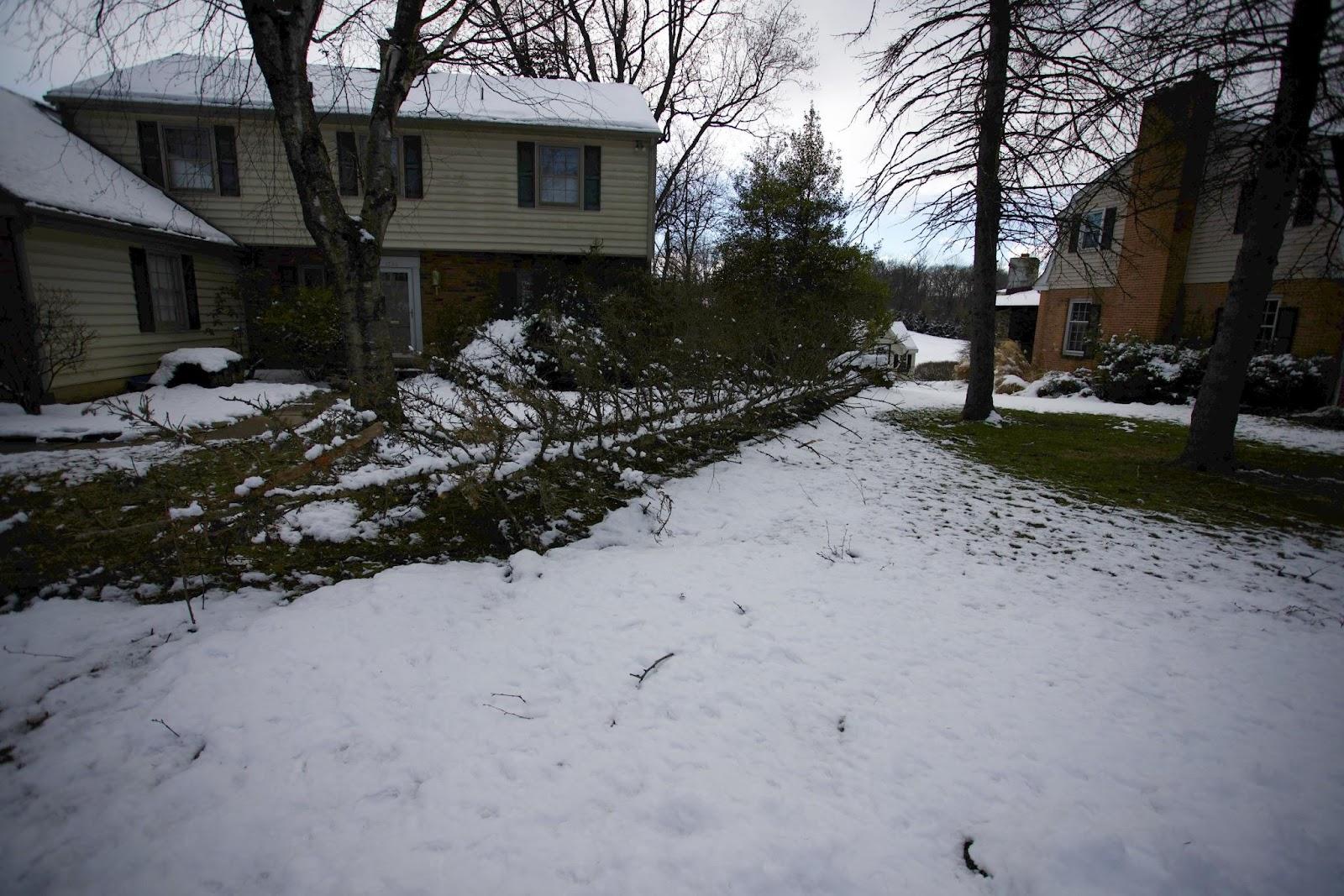
At the same time, moisture from snow, ice, and rain can linger on the lawn longer than it does in warmer seasons. Winter lawn maintenance is about limiting unnecessary stress.
Lawns that enter winter in good condition tend to handle freezing and thawing cycles more successfully. Grass that is already weak or neglected often shows signs of trouble once spring arrives.
1. Mow the Right Way
Mowing habits late in the season have a lasting impact on winter grass care. The height of your grass going into winter affects how well it handles snow cover, moisture buildup, and temperature swings.
Adjusting mowing at the right time is one of the simplest ways to protect your lawn and reduce matting when snow sticks around.
Adjust Your Final Mowing Height
Grass left too tall can bend over and trap moisture under snow or ice, limiting airflow. Grass cut too short may lose its natural insulation and struggle to protect the crown during cold weather.
A moderate height allows grass to stand upright, shielding sensitive areas near the soil and supporting a smoother recovery in spring.
2. Deal With Leaves Regularly
Leaves often continue falling well into late fall and early winter. When they pile up on the lawn, they block light and airflow while trapping moisture.
Removing leaves regularly allows dormant grass to dry out between storms and reduces excess moisture that can lead to thinning or discoloration.
3. Should You Feed Your Lawn Before Winter?
Fertilizing late in the season supports root strength rather than top growth. Nutrients are stored below the surface and used during dormancy and early spring.
Proper winter lawn feeding supports long-term lawn health and works best when paired with soil aeration to improve nutrient absorption.
4. Protect Dormant Grass From Damage
Dormant grass is more vulnerable than it looks. Cold temperatures make blades brittle, and frozen soil compacts easily.
Limiting foot traffic and avoiding repeated paths across the lawn helps reduce compaction and supports quicker recovery in spring.
5. Get Ready for Winter in Fall
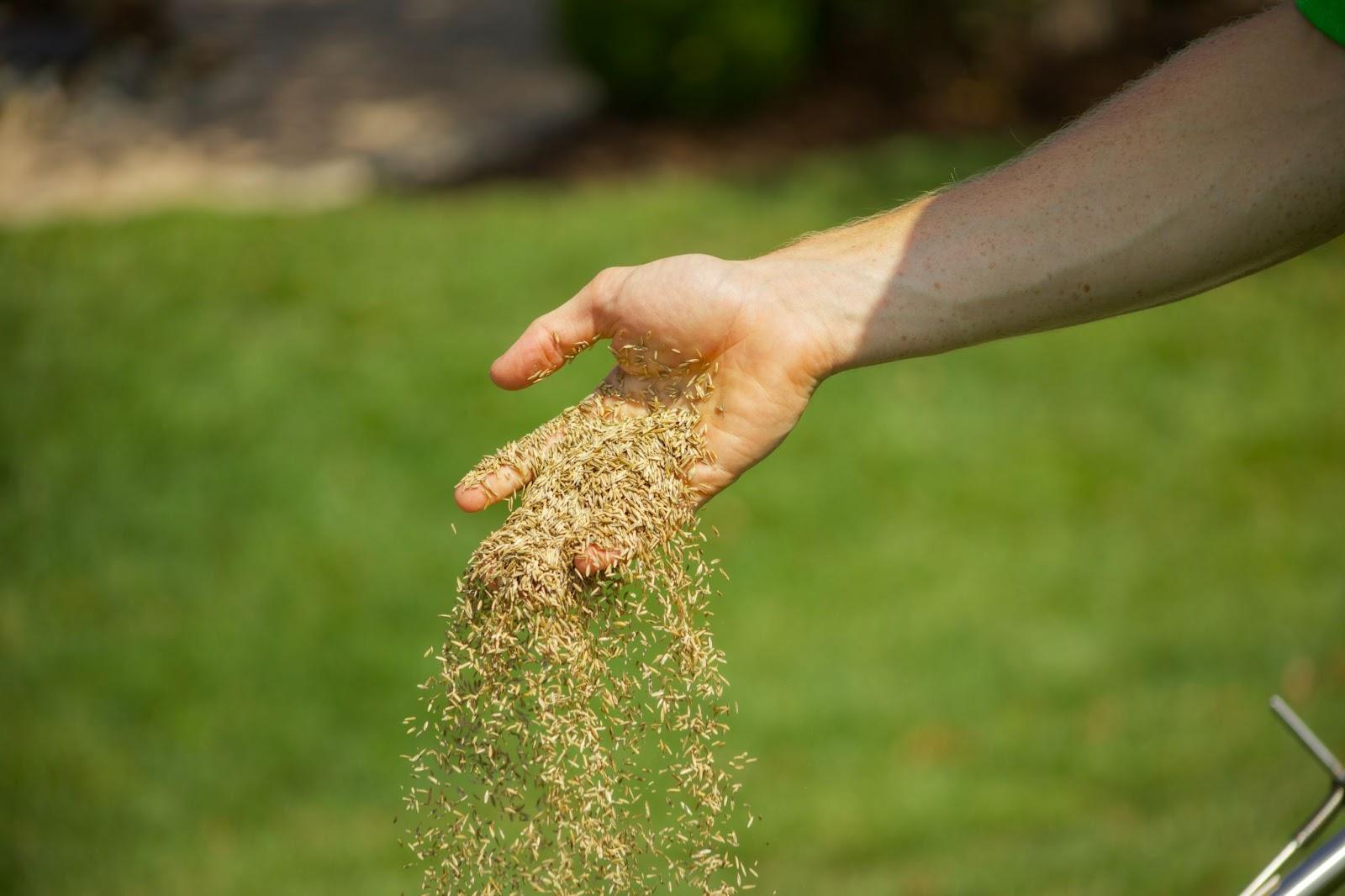
Winter lawn care success often depends on fall preparation. Addressing bare spots, compaction, and drainage issues early creates a stronger foundation for winter lawn care.
Aeration, overseeding, and soil improvements in fall reduce repair work needed once winter ends.
Ready To Protect Your Lawn This Winter?
Is your lawn ready for winter? Our team can help identify problem areas and create a plan that supports healthier grass from fall through spring.
Contact New Castle Lawn & Landscape today to request a free estimate.